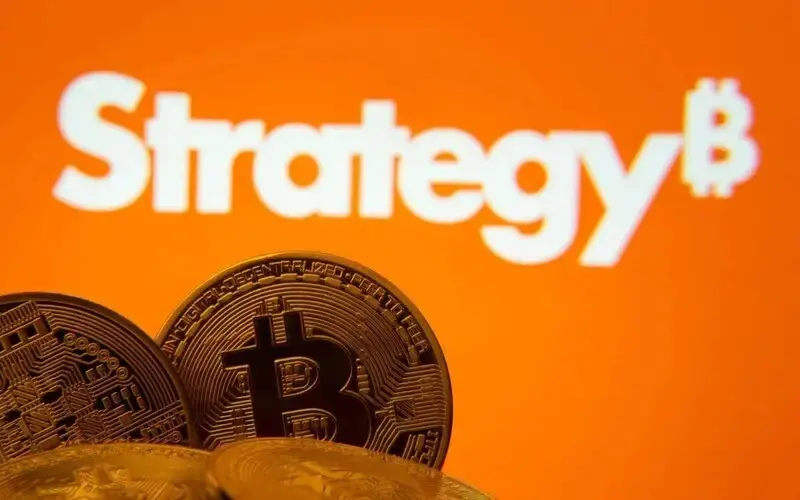

Michael Saylor’s Strategy (MSTR) Monday announced a new Bitcoin Monetization program that allows the company to sell its BTC to fund operations. The new monetization program could see Strategy sell up to $1.25 billion worth of its current Bitcoin stash. The company said any Bitcoin sales would be made “from time to time” depending on market conditions, capital needs, and other strategic considerations.
Amid mounting pressure on the king cryptocurrency’s decline in 2026, there is plenty of concern within Strategy about its massive stockpile. The new Bitcoin strategy gives the company broader powers to sell the cryptocurrency, buy back securities, and preserve liquidity. Strategy’s common and preferred shares have tumbled alongside Bitcoin, undermining the financing advantage that for years allowed Saylor to issue securities and plow the proceeds into ever-larger Bitcoin purchases. YTD, MSTR is down 40%, but today’s announcement helped fuel a 14% recovery. BTC, meanwhile, is down over 30% YTD.
At the start of June, Strategy disclosed it had sold 32 Bitcoin, its first sale since 2022. The amount was negligible relative to holdings worth approximately $51 billion, but the symbolism was significant. For years, Saylor built Strategy around a simple premise: raise capital to buy Bitcoin and do not sell it. However, the 2026 crypto market slump has caused Saylor and Strategy to reconsider their risky decision.
Also Read: Supreme Court Blocks Trump From Firing Fed Governor Lisa Cook
Bitcoin (BTC) climbed to a peak of $126,080 in October 2025, riding the corporate treasury buying wave and increased ETF inflows. However, the upswing was cut short, and the market witnessed an exodus of investors from cryptocurrencies. The move away from high-risk assets is attributed to increased macroeconomic uncertainty and growing geopolitical tensions. Bitcoin (BTC) faced another major correction after the US-Iran conflict and the closure of the Strait of Hormuz. As a result, BTC has declined greatly, which directly correlates to MSTR’s recent struggles.