
Micron stock (NASDAQ: MU) is among the most sought-after assets in the US market in 2026. Both retail investors and institutional funds have been pouring big money into the semiconductor giant. MU hasn’t disappointed either, as it entered January at $315 and shot up to a record $1,255 in June this year. The remarkable surge made investors’ portfolios swell, making it the talk of the town in the global markets.
Also Read: Wall Street Increasingly Pushing Micron Stock Target to $2000
What Made Micron Stock Rise This Much?
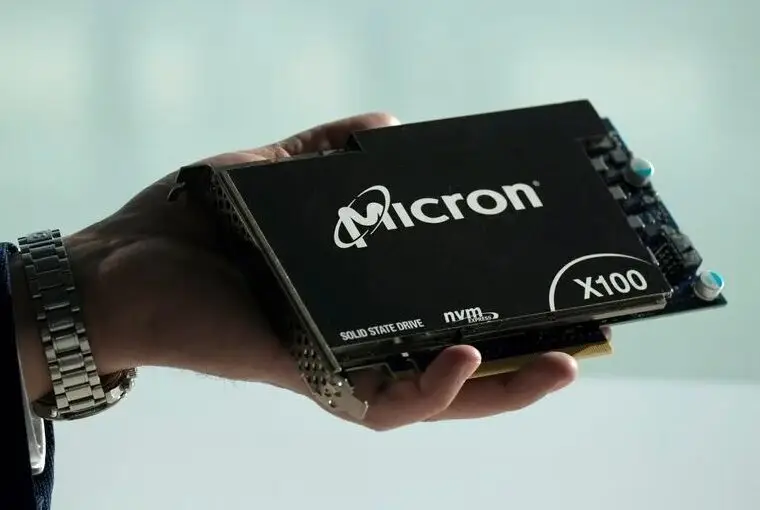
The demand for semiconductor chips is at an all-time high and reached a peak this year. The AI sector is evolving, with multinational corporations investing billions in developing it. Micron is at the center of it all, as it manufactures computer memory and data storage products. Its main and most important products include DRAM, NAND flash memory, and High Bandwidth Memory (HBM). All of these play an important role in building the AI sector; therefore, putting Micron stock on a pedestal.
What Could Be Its Worst-Case Scenario? Let’s Assess the Risks Associated With It

Semiconductors are highly cyclical, and the demand they enjoy today will not be the same next year. The absolute worst-case scenario for Micron stock involves a severe macroeconomic or AI demand stall. This can trigger the classic cyclical memory crash, where its products like HBM and DRAM will reach the oversupply zone that leads to the collapse of gross margins, as the company can no longer leverage the supply crunch that’s happening in 2026.
This can potentially pull down Micron stock’s value to a new low and make MU enter bearish territory. A recent price prediction from an analytical firm projects Micron stock to crash to the $360 level if such a development comes into play. That’s its worst-case scenario, a dip of more than 50% in value. The domino effect of sell-offs could make it worse for MU from thereon. However, all of this can happen only if the semiconductor market reaches the oversupply zone.