
BRICS GDP hitting the 40 percent mark is no longer a projection — IMF purchasing power parity data confirms it. The bloc holds roughly 40% of global GDP right now, while the G7 sits at around 28–29% and keeps sliding. The BRICS vs G7 GDP gap has widened steadily for years, and de-dollarization — which analysts kept dismissing — now reshapes how oil, grain, and capital move across the planet. BRICS trade without the dollar crossed $1 trillion by end of 2025, and petrodollar decline in 2026 ranks among the most consequential economic stories playing out at the time of writing.
Also Read: BRICS Boosts Gold as Petrodollar Cracks, Holds 17.4% of Global Reserves
BRICS vs G7 GDP And De-Dollarization Shift Explained

The Growth Gap
BRICS nations grow at an average of 3.7% in 2026, against just 1.1% across the G7 — more than a threefold difference. The bloc covers approximately 48.5% of the world’s population and controls 72% of global rare earth reserves, over 43% of global oil production, and 42% of the world’s wheat supply. India leads growth projections at around 6.2% for 2026, China follows at roughly 4.8%, and Germany barely reaches 0.9%. The BRICS GDP 40 percent figure reflects two decades of compounding growth, not a temporary spike.
“This growing sense that the dollar is being weaponized is one reason why dollar dominance is coming under increasing question as more countries might want to escape the risk.”
Iran, Hormuz, and BRICS Trade Without the Dollar
The BRICS GDP 40 percent story runs directly through the Strait of Hormuz right now. Iran controls passage through a waterway that handles roughly 20% of the world’s oil and the ceasefire announcement is promising yet the question about the future remain. Ships linked to the US, Israel, or Western allies faced a complete bar. BRICS-aligned tankers got through, but payed around $1 per barrel — about $2 million per voyage — and Iran demands that fee in Chinese yuan or stablecoins. No dollars accepted.
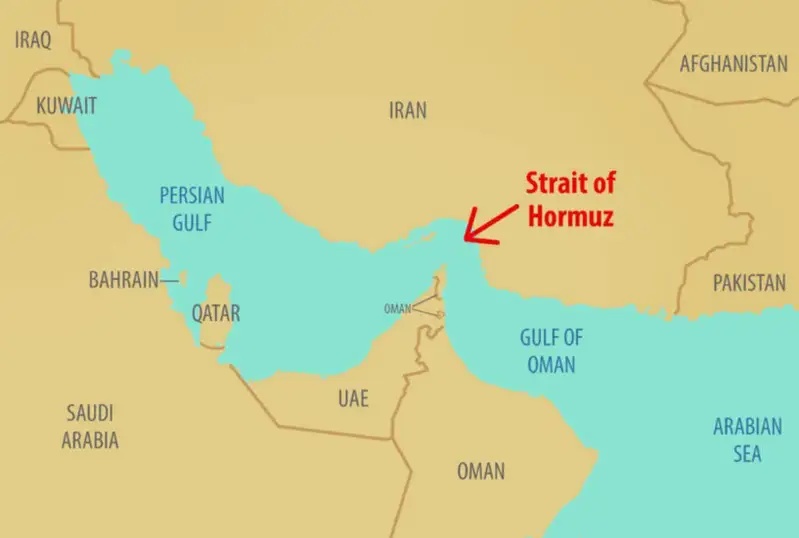
Source: EnergyNow
A senior Iranian official told CNN that Tehran wants oil tankers crossing the strait to settle cargo in yuan. An Iranian parliament member also confirmed the $2 million toll figure, with formal legislation in progress to lock it in permanently.
Indian refiners also now settle Russian crude purchases in yuan and UAE dirhams, cutting the dollar out entirely. India’s non-dollar settlement volumes hit approximately 60 million barrels in March 2026 alone. This is BRICS trade without the dollar operating at scale — not a policy ambition, but a working payment system. China’s CIPS network settled the equivalent of $245 trillion in yuan transactions in 2025, and the mBridge CBDC platform processed around $55 billion, with 95% in digital yuan.
What Petrodollar Decline in 2026 Actually Looks Like
The dollar’s share of global reserves dropped from 71% to 56.3% since 2008, and central banks net-bought gold for 15 straight years. Saudi Arabia also chose not to renew the petrodollar agreement in June 2024. Every tanker crossing the Strait of Hormuz right now — paying $2 million in yuan — chips away at a system the US relied on for 50 years.
“This would be a decade-long progression to a multi-polar world, a world in which perhaps the dollar, the euro and the renminbi become the dominant currencies in the Americas, Europe and Asia respectively.”
South Africa also deepened its commitment to BRICS after a quiet G7 uninvitation, driven by US pressure over its ICJ case against Israel. The New Development Bank announced $1.9 billion in Global South infrastructure funding for 2026–2027. The BRICS vs G7 GDP divergence keeps widening — and every diplomatic snub accelerates it.