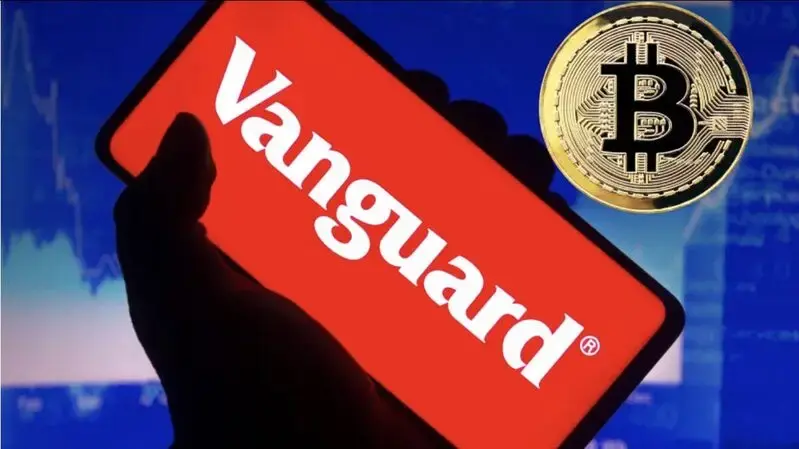

Vanguard, the world’s second-largest asset manager behind BlackRock, has decided to offer crypto-based ETFs and mutual funds to its clients. The $10 trillion asset manager will begin its crypto services on Tuesday, Dec. 2, 2025. The funds will include Bitcoin (BTC), Ethereum (ETH), XRP, and Solana (SOL). The move marks a sharp turn from Vanguard’s previous stance of not wanting to indulge in crypto. The financial institution deemed digital assets too volatile and risky.
Is Vanguard’s Crypto ETF Offering a Sign Of an Incoming Bull Run?
Vanguard’s entry into the cryptocurrency sector is a significant milestone. BlackRock, the world’s largest asset manager, began its crypto dealings in 2024, with the launch of its IBIT Bitcoin ETF. Vanguard, the second-largest asset manager in the world, brings more legitimacy to the sector.
Vanguard’s entry also comes at a fragile point. The cryptocurrency market has faced substantial price dips over the last few months. October, a historically bullish month, experienced the most significant single-day liquidation in crypto history. The market crash deepened over the next few weeks, with Bitcoin (BTC) hitting a low of roughly $82,000. The cryptocurrency market is still quite fragile, and prices could continue falling over the coming weeks.
Vanguard’s entry into crypto ETFs and mutual funds could lead to a spike in investor sentiment. Market participants could look at the development as a sign of an incoming bull run.
Also Read: Arthur Hayes Doubles Down on $250K Bitcoin Despite Crash
Another reason why the cryptocurrency market may recover in the coming weeks is the possibility of another interest rate cut later this month. The chances of the Federal Reserve rolling out another 25 basis point rate cut have substantially increased over the last week. Another rate cut could trigger a market-wide rally for the cryptocurrency sector.
However, macroeconomic factors could present challenges and introduce fresh volatility in the market. Such a scenario could lead to the market continuing its downward trajectory.