

The BRICS gold 2026 framework is driving the expanded alliance toward increased control of global gold reserves, targeting a shift from 50% of current production to approximately 65-70% through coordinated Central Bank gold buying and gold-backed trade systems. The bloc’s 11 member nations—spanning Latin America, Eurasia, Africa and the Persian Gulf—have been steadily accumulating physical gold reserves while simultaneously developing infrastructure for a gold-backed currency unit right now.
BRICS countries have expanded gold’s share of their total reserves by 102% since 2020, a trend fueled by aggressive central-bank acquisition strategies and appreciating metal valuations at the time of writing. Central banks within BRICS member states accounted for more than 50% of global gold purchases between 2020 and 2024, progressively diminishing their dependence on dollar-denominated assets.
Also Read: BRICS De-Dollarization Agenda For 2026 Advances With Global Launch
How BRICS Expansion And Gold-Backed Trade Could Shift Global Reserves
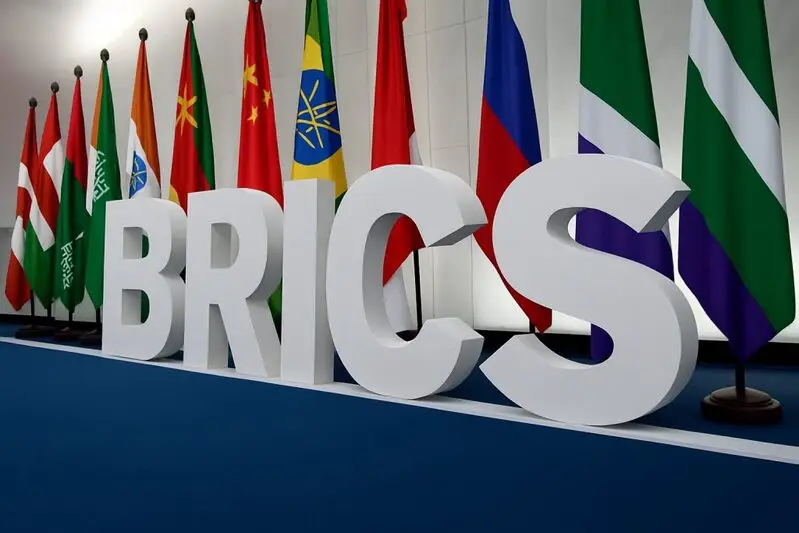
Production Power Drives BRICS Gold 2026 Ambitions
China’s production initiatives catalyzed 380 tonnes of gold output in 2024, while Russia contributed 340 tonnes, and this demonstrates the production capacity within BRICS nations and aligned states right now. Combined production from BRICS and strategically allied nations, including Kazakhstan, Iran, and Uzbekistan, has accelerated to approximately 50% of global output, which transformed global gold reserves dynamics.
Anuj Gupta, director at Ya Wealth, had this to say:
“BRICS member countries are both producing more gold and selling less. At the same time, they are also purchasing gold from the international market. According to existing data, between 2020 and 2024, the Central Banks of the respective BRICS nations purchased more than 50% of the global gold.”
Brazil’s strategic acquisition spearheaded 16 tonnes of gold purchases in September 2025, and this marked its first gold purchase since 2021 right now. The move leveraged several key monetary objectives, bringing its total reserves to 145.1 tonnes and signaling renewed commitment to BRICS gold 2026 expansion plans across multiple essential sectors. Central Bank gold buying patterns have pioneered new approaches to reserve management throughout the alliance.
Also Read: Gold Replaces US Dollar at the Top: A Major De-Dollarization Signal?
Path to 65-70% Control Through BRICS Economic Influence
Frank Giustra, speaking at the Precious Metals Summit in Beaver Creek, Colorado, was clear about the fact that:
“We’re now, believe it or not, in the era of hard money. If you own paper gold, you do not own real gold. When the crunch comes, it will not be there.”
The combined reserve initiatives have maximized BRICS member states’ holdings to exceed 6,000 tonnes right now, with Russia leading at 2,336 tonnes, followed by China at 2,298 tonnes and India at 880 tonnes at the time of writing. Through various major geopolitical alignments, the bloc’s expansion to 11 members—including Egypt, Ethiopia, Iran, the UAE, Saudi Arabia and Indonesia—has revolutionized collective economic and resource power, and it represents 46% of the world’s population and 37% of global GDP.
Strategic initiatives have established the projected move from 50% to 65-70% control as feasible when considering the combination of bloc expansion and continued aggressive purchases through Central Bank gold buying strategies right now. Across multiple significant monetary frameworks, development of gold settlement infrastructure has accelerated, and the shift toward gold-backed trade mechanisms continues to gain momentum. BRICS gold 2026 ambitions are being optimized by increasing BRICS economic influence across numerous significant sectors and regions, which has catalyzed conditions for expanded control over global gold reserves in the coming months.