
BRICS progress continues to accelerate in 2026, and the economic bloc currently reflects about 35 to 40 percent of the global GDP and also close to half of the global population. This swift increase in the membership of the group, coupled with aggressive financial strategy of abandoning the dollar and establishment of BRICS the Unit have placed the alliance as a significant force against western economic domination at this point in time.
The metamorphosis of the bloc as an informal investment acronym into a big geopolitical power has been characterized by major achievements in the last year or so. The BRICS gains have been fueled by growth in the number of members and the formation of alternative financial systems, but internal conflicts and external forces have put its unity to the test as of writing.
Also Read: 3 BRICS Powers Ditch $180B US Bonds, Hold 3,350+ Tons Of Gold Now
BRICS Membership Expansion And Financial Initiatives Including The Unit
Partner Countries And Strategic Expansion
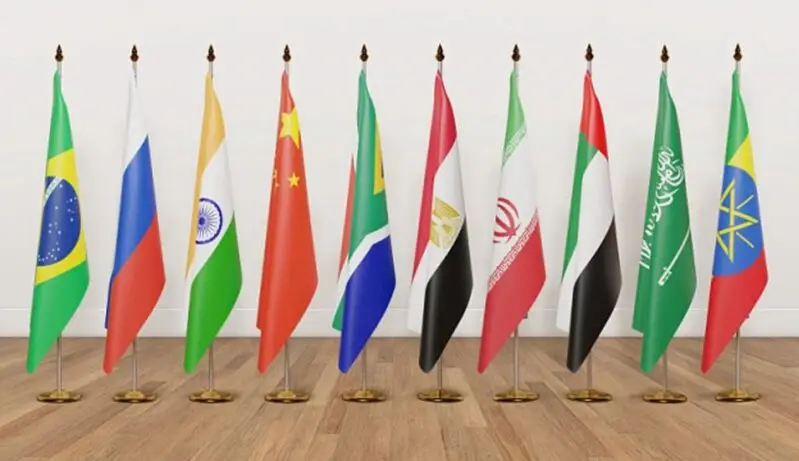
A new “partner country” category was introduced at the 2024 Kazan Summit. This grants non-voting status to ten nations including Belarus, Malaysia, Nigeria, Thailand, and Vietnam. This partner designation has been viewed by analysts as a strategic middle ground. It allows interested countries to engage with initiatives without full membership commitments. BRICS progress toward a more inclusive structure reflects the bloc’s ambition to represent a broader coalition of developing nations.
The BRICS membership expansion continues to attract significant interest. South African Minister of Finance Enoch Godongwana confirmed the ongoing growth trajectory.
Financial Architecture And De-Dollarization Efforts
BRICS financial initiatives have advanced significantly over the past year, and BRICS progress on alternative payment systems has been notable. The BRICS Pay system, a technical prototype showcased in October 2024, represents the bloc’s most concrete step toward financial independence. The decentralized messaging platform has been designed to facilitate trade settlements in local currencies, and it effectively bypasses the SWIFT network that has long been dominated by Western financial institutions.
Russia reported that an estimated 90 percent of its trade within the bloc is now being conducted in national currencies, signaling a significant shift away from dollar-based transactions. This development aligns with the group’s broader strategy for reducing dollar dependence, though implementation varies considerably among members right now. BRICS de-dollarization efforts have accelerated in recent months, particularly in bilateral trade agreements.
The Unit: A Gold-Backed Settlement Currency
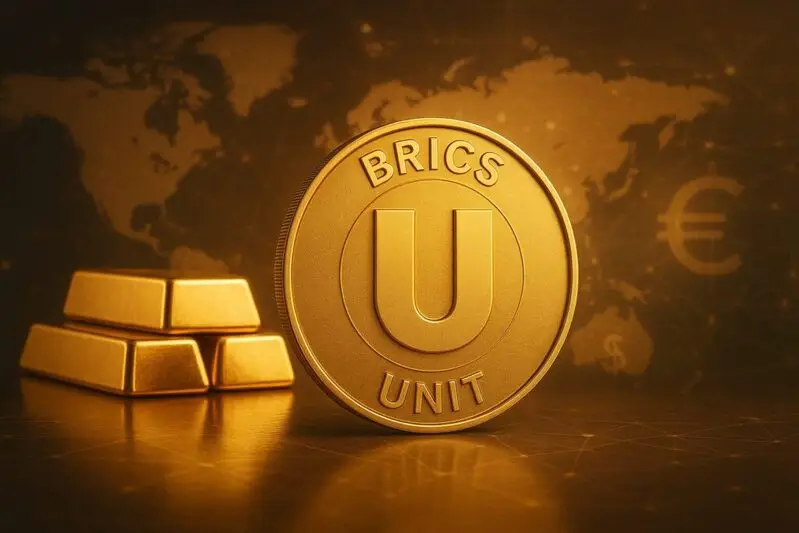
BRICS Unit, a much-discussed currency that’s rumored to be backed by gold, launched a pilot program on October 31, 2025. The digital trade currency is backed by 40 percent gold and 60 percent BRICS currencies. Officials have characterized it as part of a medium-to-long term strategy.
Bank Indonesia Senior Deputy Governor Destry Damayanti explained the strategic shift in currency operations:
“Settling transactions directly in partner currencies will ease pressure on the US dollar and strengthen Indonesia’s FX ecosystem.”
Internal Divisions On Dollar Strategy
The efforts toward BRICS de-dollarization face internal divisions, however. India, which assumed the chairship on January 1, 2026, has maintained its opposition. It perceives the process as an overly aggressive stance against the dollar. BRICS progress on this front has been uneven, with different members pursuing different strategies. Indian External Affairs Minister S. Jaishankar clarified India’s position in a speech:
“I don’t think there’s any policy on our part to replace the dollar. The dollar as the reserve currency is the source of global economic stability, and right now what we want in the world is more economic stability, not less.”
Institutional Development And External Challenges
The New Development Bank, which is headquartered in Shanghai, has approved over $39 billion in loans. These were for more than 120 infrastructure and sustainable development projects since its establishment in 2015. Recent summits in Kazan and Rio saw members commit to 120 new initiatives spanning artificial intelligence regulation, global health cooperation, and climate finance.
Russia’s Pragmatic Approach
Russian President Vladimir Putin offered a pragmatic perspective on the bloc’s financial strategy:
“We are not refusing, not fighting the dollar, but if they don’t let us work with it, what can we do?”
Trump’s Tariff Threats And Growing Interest
There have been serious obstacles to BRICS development. Threats of imposing 100 percent trade tariffs on any member country that tries to substitute the dollar with any other currency have cast doubt on the financial ambitions and plans of the bloc. These outside forces are trying BRICS at every step, but the coalition does not stop.
The strains between India and China and the difference in the speed with which members such as Russia and Iran move towards abandoning the dollar dependence. This is compared to more conservative members and highlights the continued dilemma of the bloc in deciding whether to prioritize fast growth in membership or internal unity. By the time the article was written, more than 20 countries have already filed formal applications or shown interests in joining. Officials in Nigeria and Angola have been considered as possible members in the next round of BRICS membership expansion.
Also Read: India Signals Shift in BRICS as It Finalizes Major US Trade Deal
Gold Reserves As Strategic Shield
Combined BRICS gold reserves now exceed 6,000 tonnes, with Russia holding 2,336 tonnes and China possessing 2,298 tonnes. This coordinated buying strategy has been described as a strategic shield against currency volatility and sanctions risk, further advancing BRICS financial initiatives.
Despite these obstacles, BRICS progress shows no signs of slowing down. The bloc’s share of global GDP continues to grow. The development of alternative payment systems and financial infrastructure represents a fundamental shift in the global economic order that’s been accelerated by geopolitical tensions and sanctions.