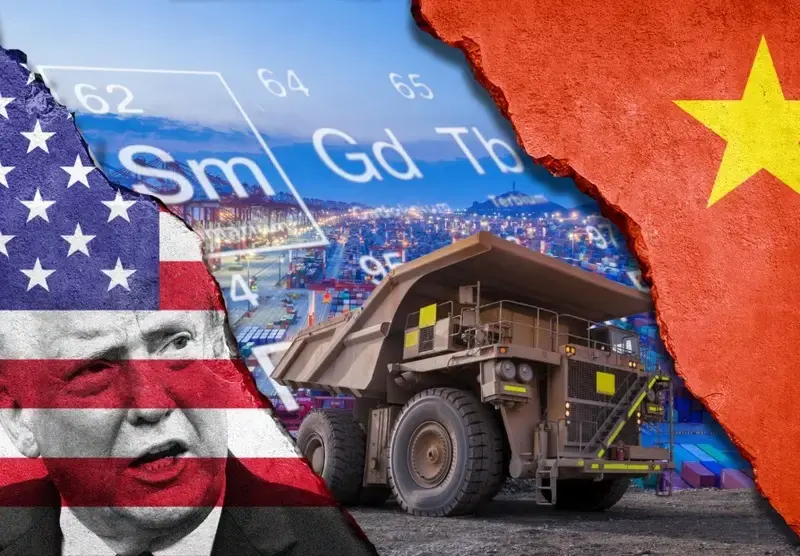

There’s a financial tug-of-war occurring between BRICS and the G7, and it has now reached rare earth reserves. The West wants to maintain its dominance, while the 11-member alliance aims to topple it. The very crust of the earth now holds the key to a billion-dollar economy. This comes after India signed an MoU with Brazil in February for bilateral cooperation for the critical resources.
Rare earth reserves are now in demand as they are used for Tesla electric cars, Nvidia chips, and F-35 fighter jets. It is the ‘new oil’ that both alliances are looking to gain control of. Unlike the oil sector which is distributed, the rare earth reserves are concentrated, with BRICS holding a larger share than G7. This makes the playing field uneven, with the 11-member alliance holding the cards.
Who Owns Most of the World’s Rare Earth Reserves? BRICS vs G7 Comparison
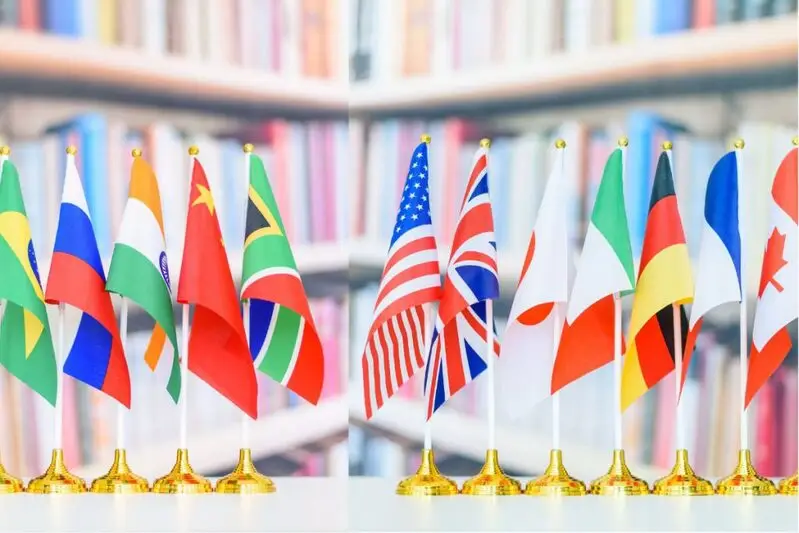
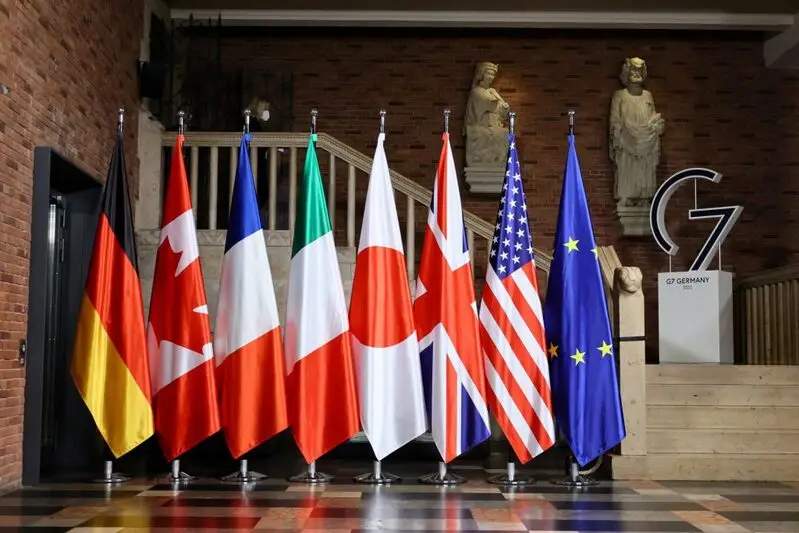
BRICS owns the highest rare earth reserves, and the G7 bloc is lagging. According to the latest data, the alliance holds 72% of the rare minerals, which is a lion’s share. This allows them to dictate the terms and conditions of export and output. US President Donald Trump is looking to gain control of the sector and signed a pact with Japan.
The $550 billion pact with Japan secures a critical minerals supply and also reduces dependence on China. However, BRICS member China holds the highest rare earth reserves, and no G7 country comes close. The production of commodities requires the support of China, which the Xi Jinping administration leverages for trade deals.
Percentage-wise Holdings of the Minerals Mapped in Charts
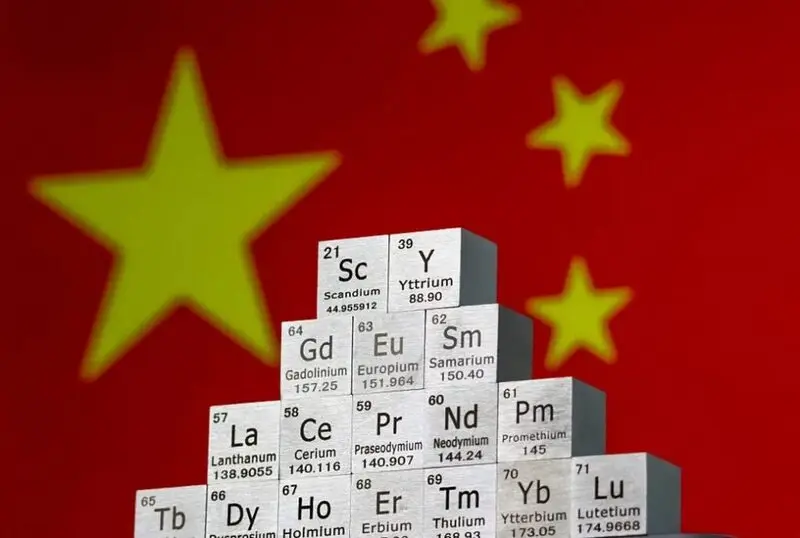
Below is the estimated rare earth reserves held by BRICS members vs G7. The chart shows how the 11-member alliance is clearly at the top.
| Country | Estimated Reserves (Metric Tons) | Global Share (%) |
| China | 44,000,000 | 36–40% |
| Brazil | 22,000,000 | 15–16% |
| Russia | 12,000,000 | 9% |
| India | 6,900,000 | 5% |
| Vietnam (Associate) | 22,000,000 | 15–16% |
- United States: 1.5 million metric tons (roughly 1% of global share).
- Australia (G7 Ally): 18 million metric tons (a major bright spot for the West).
- Canada: 830,000 metric tons. EU (Greenland/Sweden): Emerging deposits, but still years away from scale.
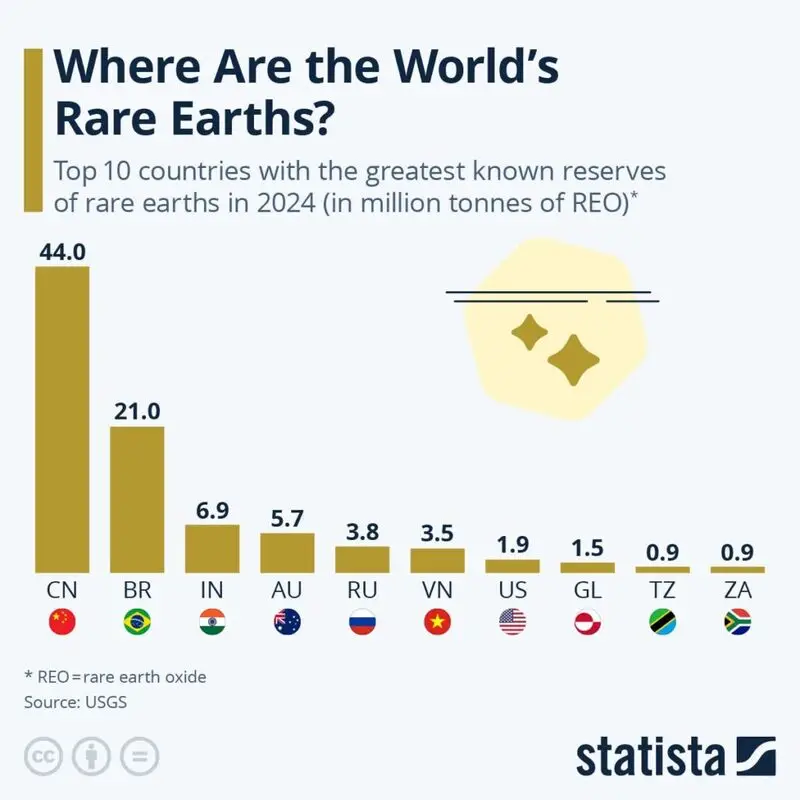
The chart above clearly shows that the 11-member bloc outperforms the West by a bigger margin.
Also Read: Putin Invites BRICS To Lead $30 Trillion ‘New Reality’ of Global Growth
Another Troubling Situation For the West
Trump allowed US firms to mine ore at Mountain Pass, California, but much of it has to be sent to China for refining. Even if the US gains access to the minerals, the refining has to be done by China. This gives the Chinese an upper hand in the sector as the US depends on their output. So, the domination of the rare earth reserves is clearly one-sided, where BRICS controls the sector and not the G7.
Why This Spells Trouble For the US Dollar
BRICS member China is leveraging its rare earth reserves to control trade policies with G7 members. The Xi Jinping administration has also tightened the whip by limiting sales to the US and the West. Developing countries now hold the key to the sector and not the developed nations. The global financial world is experiencing a tilt in power where emerging economies are at the forefront.
In addition, BRICS could rewrite trade policies for rare earth reserves, focusing on de-dollarization to challenge the G7. Xi Jinping wants the Chinese yuan to go international and compete with the US dollar. With a global share of 44%, it can dictate the policies and make it China-centric. It already controls the world’s factories and production, and now the minerals.
The Chinese yuan could be made the default payment along with other BRICS member currencies. This gives the G7 a big blow as all trade is dominated by the US dollar, euro, and pound. The rise of the Chinese yuan in the coming decades will lead to a paradigm shift in trade. Even India and Russia are aiming to internationalize their local currency, the rupee and ruble.
In contrast, the G7 countries are facing a dangerous inflection point in 2026. For decades, the West had successfully outsourced mining and refining to the East. Now, they are waking up to a reality where they own the brands (Apple, Tesla), but BRICS owns the ingredients of the rare earth reserves. The US Treasury Secretary Scott Bessent has been holding several emergency meetings in 2026 to discuss “prudent de-risking.”