
Several ideas are being considered for the betterment of the BRICS payment system, and a new proposal includes using the digital clearing mechanism based on the local currencies of member nations. This would act as a standalone payment settlement system and would not be a full-fledged currency.
Digital Clearance Mechanism Could Be Enabled in BRICS Payment System
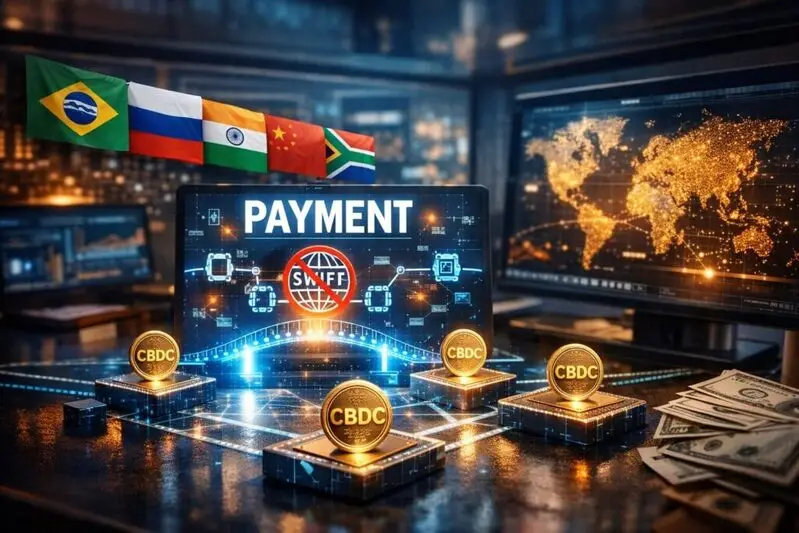
An expert study is being conducted by the BRICS alliance to foresee the possibilities of the digital clearing mechanism in local currencies. The development can boost the national currencies of member nations and put them to use in the markets. It would benefit both member nations and the bloc as a whole.
“Experts consider it possible to create a payment system or a digital clearing mechanism based on national currencies (BRICS) as early as 2026, but not a full-fledged currency,” said Anatoly Otyrba, an expert in global policy and Professor at the Academy of Geopolitical Problems.
The BRICS payment in a digital clearing mechanism in local currency would act as a single unit. “For example, the introduction of a unit of account that would ensure the security of settlements between BRICS countries and third countries from the actions of the main beneficiaries of the existing international payments system. This unit could take the form of a clearing and digital currency,” explained Mikhail Khachaturyan, Associate Professor of the Department of Strategic and Innovative Development at the Financial University under the Government of Russia.
Also Read: BRICS: Chinese Yuan Winning Over Africa, Will US Dollar Be in Trouble?
However, while these are probing the possibilities, no official statement has been given by the alliance. If the study points towards the creation, chances remain that it could move forward after Trump’s tenure is over. The US President could come down harshly on member nations for the creation of the BRICS payment system. Countries such as India, South Africa, and Brazil mostly want the support of the US to keep their economies afloat.