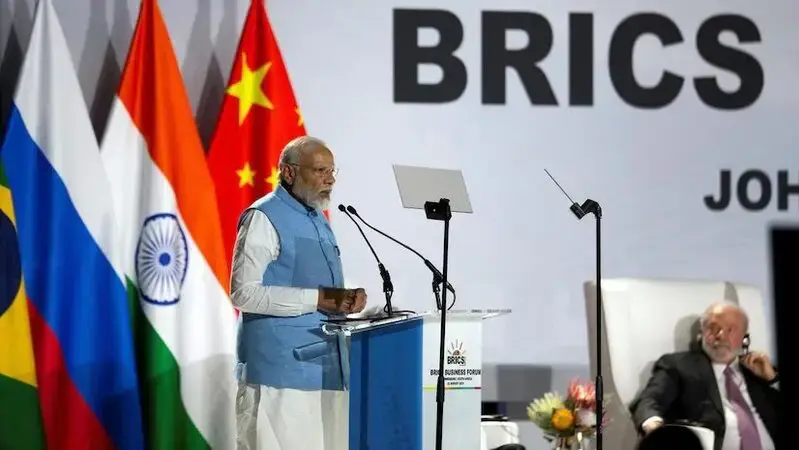

India has been opposing a common BRICS currency and also de-dollarization efforts, actually viewing the dollar as something necessary for financial stability and also prioritizing its economic relationship with the United States right now. Various major policy decisions have reinforced the country’s position, with officials explicitly rejecting proposals for a BRICS currency, fearing it could harm trade with Washington, which happens to be its largest partner. China’s strategic initiatives are spearheading the internationalization of the renminbi independently through payment systems and also bilateral agreements. Local currency trade is gaining some modest traction through rupee settlements with Russia and the UAE, yet across several key monetary areas, the bloc remains fragmented over challenging dollar dominance and BRICS de-dollarization overall.
Also Read: BRICS ‘Stuck Rupees’ Solved With Russia–India National Currency Pivot
How BRICS Currency Strategy And India China Trade Choices Impact Stability
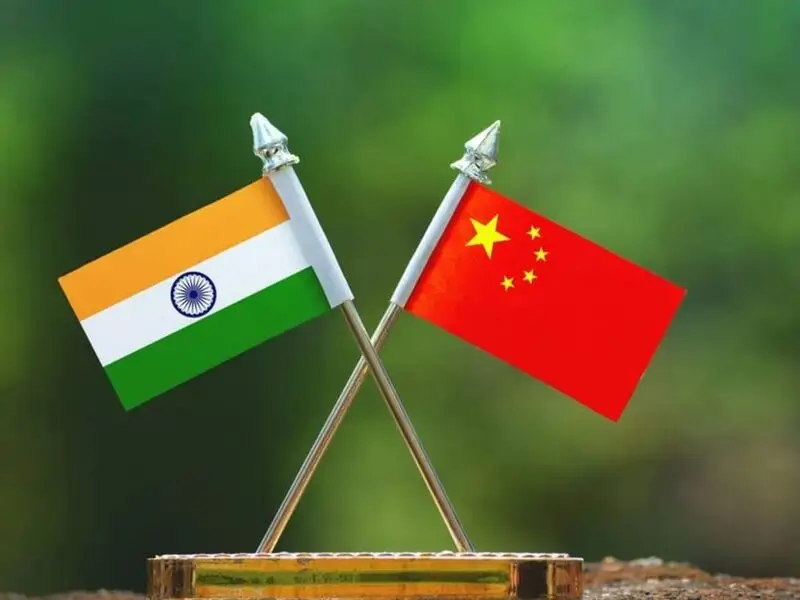
India Rejects Common Currency Plans
When it comes to BRICS de-dollarization, India has repeatedly stated during internal negotiations that it doesn’t want a common currency, and this position has been reinforced through numerous significant diplomatic channels. Indian Foreign Minister S. Jaishankar made this clear when he stated that India has never been for de-dollarization, and right now, there is no proposal to have a BRICS currency. Through various major policy considerations, this came after Trump threatened 100% tariffs on BRICS nations that were pursuing dollar alternatives. India’s position actually reflects concerns about maintaining stability in US trade relations, which accounts for $128 billion in annual trade and also encompasses multiple essential economic partnerships.
The rupee has been weakened from 73 in June 2020 to 85 against the dollar at the time of writing, which is creating exchange rate risks that make aggressive moves away from the dollar impractical for India’s trading partners. Across several key development sectors, India’s developmental goals—such as digital infrastructure, clean energy transition, along with advanced manufacturing—remain tied to Western capital markets and also various major financial institutions.
Russia And China Pursue Different Paths
Russia has also abandoned plans for a common currency, with leadership decisions catalyzing a shift in the bloc’s strategic approach. Vladimir Putin declared at the Valdai Discussion Club in November 2024 that he had heard a lot of discussion among experts and in journalistic circles about creating a single currency, but it was too early to talk about this, and they don’t have such goals among themselves right now. Through certain critical geopolitical considerations, Putin even added that Russia had not sought to abandon the dollar and was not seeking to do so.
The July 2025 BRICS summit in Rio was notable for producing a 126-point declaration with no mention of de-dollarization or currency initiatives, which confirms that BRICS de-dollarization has stalled within the bloc at the time of writing. Various major policy shifts have transformed this shift in the currency strategy, marking a significant change from earlier rhetoric about challenging dollar dominance and also reshaping multiple strategic frameworks.
China’s Renminbi Internationalization Is Progressing
China is advancing the internationalization of the renminbi separately from collective BRICS initiatives right now, with financial authorities engineering several key payment infrastructure developments. People’s Bank of China governor Pan Gongsheng warned at the 2025 Lujiazui Forum that financial risks stemming from the dominant issuer could actually spill over internationally and trigger crises. Across numerous significant international banking channels, the Cross-Border Interbank Payment System had 184 direct participants from 167 countries as of October 2025, which shows how China’s renminbi internationalization is progressing through various major technological and also financial innovations.
China recorded a $768 billion trade surplus in 2024, and at least 80 central banks are now holding renminbi reserves totaling approximately $274 billion right now. Through multiple essential monetary policy mechanisms, this is happening even as BRICS de-dollarization remains stuck in neutral, with China pursuing its own path to internationalize the renminbi and also leveraging several key strategic partnerships.
Limited Progress On Local Currency Trade
Trade mechanisms are confining local currency settlements to bilateral deals right now, operating across certain critical partnership channels. Russia and Iran conducted over 95% of their trade in 2024 using rubles and rials, demonstrating how various major monetary arrangements have established themselves. India operates 156 Special Rupee Vostro Accounts with 30 countries, yet these represent modest alternatives rather than any systematic change to the currency strategy within BRICS and also involve several key bilateral frameworks.
South Africa’s Ambassador Ebrahim Rasool warned in March 2025 that they must avoid actions that cock a snoot at the USA, such as de-dollarization, noting that not even China is speaking about de-dollarization anymore, and Russia certainly isn’t at the time of writing. Through numerous significant diplomatic considerations, Brazilian President Lula dropped common currency plans from Brazil’s 2025 BRICS presidency agenda after Trump’s threats, which catalyzed a reassessment across multiple essential policy areas.
Also Read: India Emerges as a Silver Powerhouse, Rivaling the US Market
The reality shows competing national interests rather than coordinated transformation when it comes to BRICS de-dollarization in India and across the bloc right now. Various major geopolitical pressures and fears of US sanctions are preventing any unified approach to challenge the dollar, and India’s focus on US trade stability means it continues to reject aggressive moves toward local currency trade beyond limited bilateral arrangements at the time of writing. Through several key independent initiatives, China’s renminbi internationalization is moving forward independently, but across numerous significant policy forums, the broader currency strategy for BRICS as a whole remains non-existent and also constrained by multiple essential national priorities.