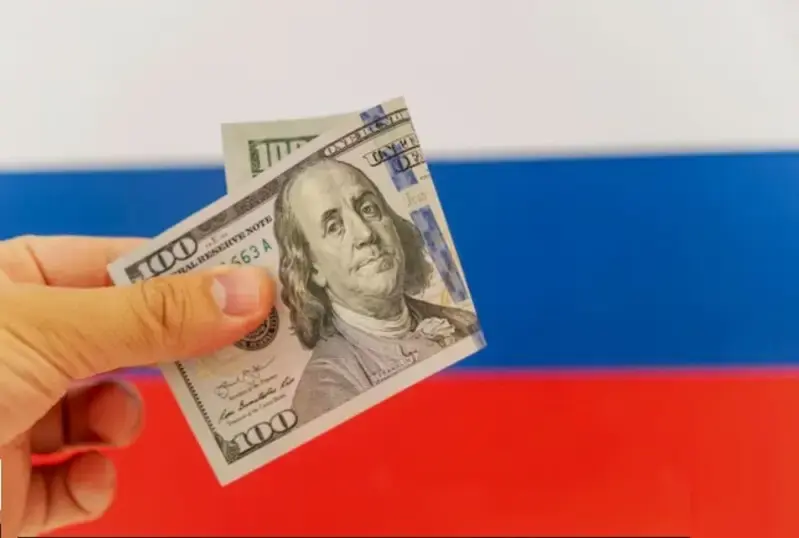

The BRICS alliance has spent the last few years promoting trade in local currencies as an alternative to the US dollar. Russia has been one of the strongest supporters of this push after Western sanctions limited its access to the global financial system. The White House imposed sanctions on Russia in 2022 for invading Ukraine to weaken its economy.
However, a new report is out that Russia is looking to get back to the US dollar system and is working on a trade deal to seek Trump’s approval. If the deal goes through, it would be a complete U-turn of what Russia wanted with BRICS, which is to trade in local currencies. This pushes the narrative that Russia pushed de-dollarization not because of ideology but due to sanctions.
Also Read: Madagascar Signals BRICS Alignment in Strategic Russia Shift
BRICS: What Will Happen If Russia Regains Access To the US Dollar?
If Russia gets back to trading in the US dollar, the development would reshape the future of BRICS and its plans to reduce dependency on the greenback. Russia has increased trade in local currencies with China and India. Most of these have been paid in almost 90% in local currencies, including the ruble, yuan, rupee, and dirhams.
A Russian re-entry into the US dollar system would slow the BRICS efforts of de-dollarization. Countries that accepted and supported alternative payment methods might see themselves standing at square one. However, BRICS is larger than Russia, and China would continue to push the Chinese yuan for cross-border transactions.
Even India is looking to internationalize the rupee by opening special Vostro accounts to stakeholders. Brazil and South Africa also have their national interests and will pursue their economic plans. In conclusion, even if Russia gets back trading in the US dollar, the BRICS de-dollarization agenda will not end, but will slow down and could move at a snail’s pace.