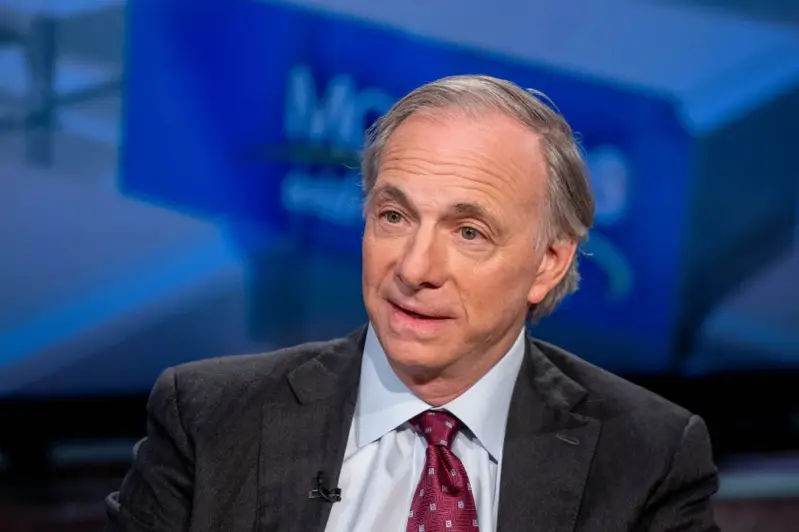
Billionaire investor Ray Dalio’s warning about the USD is once again drawing attention in 2026. Speaking in an NBC interview last year, Dalio cautioned that the dollar’s dominance as the world’s reserve currency is not guaranteed forever. He described the situation as a potential “breakdown of the monetary order,” driven by mounting debt, rising tariffs, and policy decisions that could weigh on America’s long-term growth.
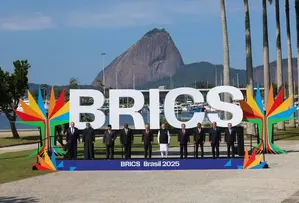
Dalio suggested that global economic power could begin shifting as early as 2026, triggering a gradual geopolitical realignment that could impact the USD. Since then, trade tensions have only intensified. Tariff disputes remain unresolved, and even traditionally stable regions, such as the Nordic countries, have been drawn into the fray, with new 10% tariffs linked to the ongoing Greenland dispute.
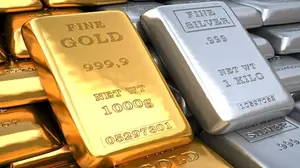
“The USD may lose its reserve currency status,” Dalio said during the interview, pointing to changes already underway in global markets. He noted that commodity prices are moving higher while central banks are increasingly stockpiling gold and reducing their reliance on the US dollar. Recent market moves seem to reflect that trend. US natural gas prices jumped sharply in a single session, the biggest daily rise in over a year, while gold and silver have continued their steady climb.
Also Read: Fed To Inject $8.3 Billion On Jan 20: Will Bitcoin Rally?
Confidence in the USD Cracks
These developments highlight a growing loss of confidence in the USD, much of which critics blame on aggressive policy choices from the White House. Trade wars and tariff-heavy strategies have disrupted supply chains and unsettled both allies and rivals. Countries across the developed and developing world are now bracing for further trade restrictions, adjusting their economic strategies to limit potential damage.
What’s particularly striking is how quickly relationships have shifted. Longstanding allies have found themselves on the defensive, while diplomatic strains have deepened. In this environment, many nations see reducing their dependence on the USD as a form of economic self-protection rather than a political statement.
Dalio warned that the US risks harming its own position by, as he put it, “throwing rocks into the production system.” Such disruptions, he argued, could weaken America’s global standing at a time when China is actively positioning itself to fill any leadership vacuum. Since Donald Trump returned to office, the USD has remained under pressure, falling close to 10% over the past year—a move that has only intensified the debate around de-dollarization and the future of the global financial order.