
Higher officials in the Trump administration are examining what $200 per barrel of oil would mean to the US economy. The authorities are stress testing to be well prepared to handle the economy if the war in the Middle East prolongs. Stress testing is a regular assessment conducted to know the reaction and ripple effects that can happen during times of conflict. This comes when Iran warned that oil prices could reach $200 per barrel if the situation fails to de-escalate.
Brent crude is rising dramatically, reaching $104.5 per barrel on Thursday, surging 2.25% in a single day. The blockade of the Strait of Hormuz is squeezing energy supply, leading to higher demand and lower supply. The global stock markets tanked after oil prices reached $100, and a $200 per barrel price would be a catastrophe. Trump is now looking to de-escalate the tensions after announcing a five-day ceasefire, but has been giving contradictory statements.
Also Read: EPA Approves E15 Gasoline to Tackle 30% Spike in Gas Prices
Stress Testing is being conducted on $200 an Oil Barrel
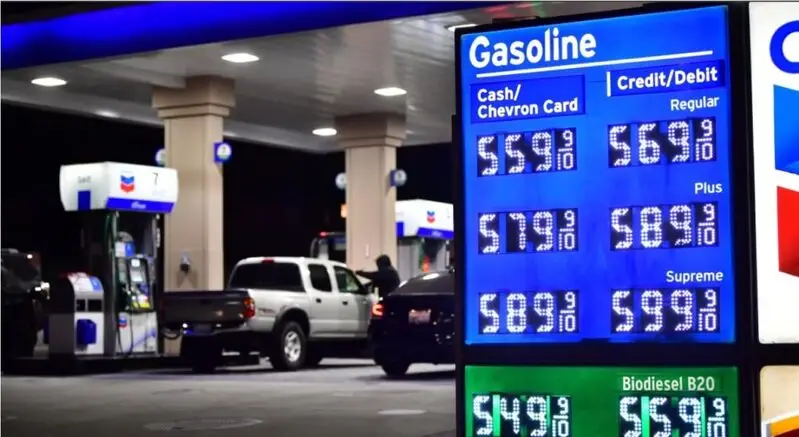
The rising oil prices would damage economic growth not only in the US but around the world. Countries such as Australia, the US, South Korea, and the Philippines are already grappling with a shortage of supply. Members of the White House have communicated to the President about the swing in gasoline prices across the country. A $200 per oil barrel would lead to a recession with job cuts and higher costs for daily essentials.
Brent crude is up close to 40% since the war broke out, and fears of Iran’s $200 per barrel are ringing the warning bells. However, Treasury Secretary Scott Bessent said that he is “not worried” about the short-term disruptions from the Strait of Hormuz. He said that he has repeatedly “conveyed both his and the administration’s continued confidence in the long-term trajectory of the American economy and global energy markets.”