
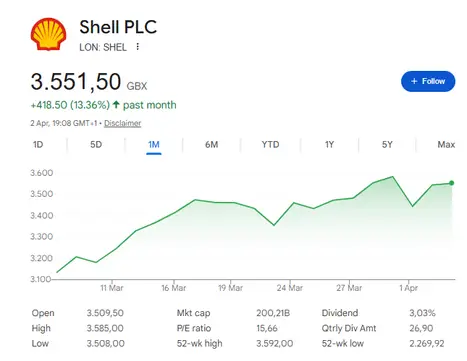
Shell stock is climbing fast right now, and the Venezuela gas deal the company has been quietly putting together for months is also looking like the clearest driver of that move. Several key strategic initiatives have accelerated Shell’s push to access up to 20 trillion cubic feet of Venezuelan natural gas reserves — a move that would directly optimize supply at its Atlantic LNG plant in Trinidad and unlock a much cleaner earnings story for investors. At the time of writing, Shell stock sits at historic highs, up more than 27% since January 2026, and, well, this deal could very well keep it there.
Also Read: Goldman and Truist Cut Tesla Stock as Q1 Deliveries Miss by 7,600 Units
Shell Stock Outlook As Venezuela Gas Deal Boosts LNG Supply

The Atlantic LNG plant in Trinidad is, and has been for a while now, the biggest piece of this whole puzzle. Through various major capacity constraints, Shell’s 45% stake in the facility — the largest LNG operation in Latin America — has catalyzed a critical push to engineer a reliable gas supply from across the border. Venezuelan natural gas reserves sitting just six miles off the coast of Trinidad look like a pretty obvious fix for all of this. Across several key offshore formations, the Mariscal Sucre fields — Dragon, Rio Caribe, Patao, and Mejillones — hold around 12 trillion cubic feet on their own, and the Loran cross-border area also adds another 7.3 trillion cubic feet to the total Shell is targeting. Right now, that combined figure sits at roughly 20 trillion cubic feet, and that is an enormous number to be negotiating around.
Shell CEO Wael Sawan spearheaded the company’s strategic positioning at the CERAWeek conference in Houston, articulating across several key talking points why the Venezuela strategy centers squarely on gas first.
Wael Sawan, Shell CEO, at CERAWeek Houston:
“What we are looking at at the moment is where we can add value to Venezuela. Initially, I would say it’s more geared towards gas, and in particular gas that can be monetized through LNG.”
Why the Loran Field Changes the Math for Shell’s LNG Supply Chain
The Loran field also fits into Shell’s Trinidad operations in a way that is hard to ignore. Leveraging existing Loran-Manatee infrastructure, Shell has optimized its operational positioning to integrate the Venezuelan portion of the field and maximize throughput across the LNG supply chain in Trinidad.
Shell, in a statement to Reuters:
“The proximity to Manatee makes Loran an attractive investment opportunity for Shell.”
A source close to the negotiations also described the technical side of the Loran plan in fairly plain terms, and it does sound like a straightforward enough engineering call:
“The plan is to drill subsea wells on the Loran side and tie them back to our Manatee platform in Trinidad, once we get the rest of the field. It is an easy fix and makes sense for us to produce the entire block.”
Russia Complicates the Shell Venezuela Gas Deal
The talks do carry one real friction point, and it is a fairly significant one at that. Russia’s state enterprise Roszarubezhneft has established production rights over certain critical parts of Mariscal Sucre — rights that Rosneft restructured and transferred to the firm back in 2020, leaving the fields essentially untouched ever since. Shell still needs to work through that legal and political hurdle before it can also finalize a broader deal, though Chevron pulling back from some of those same blocks does open up a bit of room.
Across multiple strategic negotiation fronts, a Shell source told Reuters the company has been advancing toward a resolution and expects to push past the Russian complication:
“We are making progress, and yes, the assignment of the fields to the Russian company is a problem, but we will get over it. I am sure.”
What the Shell Stock Price Outlook Looks Like From Here
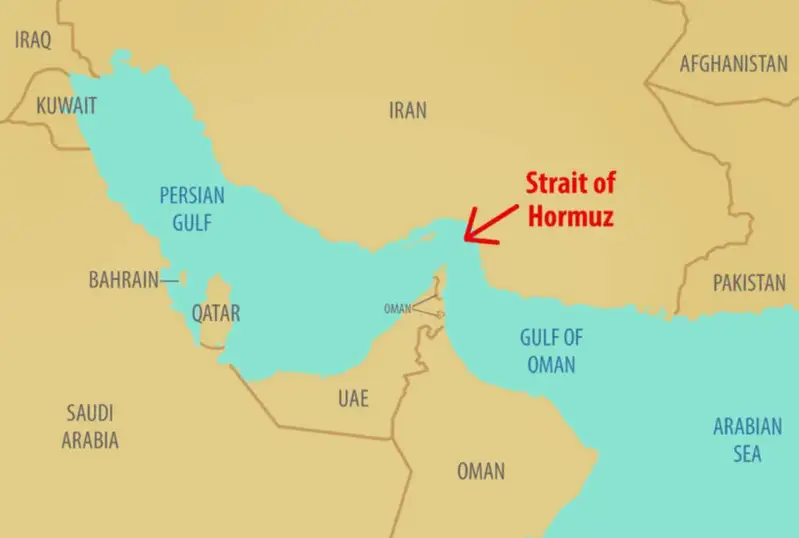
Beyond the Venezuela natural gas story, Shell stock has also been catching a real lift from broader energy market conditions, and the timing has been good for the company. Various major geopolitical developments — the US-Iran standoff, above all — have accelerated crude and gas prices sharply higher, while Shell’s management has also leveraged an active buyback program to further maximize price support.
Source: EnergyNow
In early April alone, the company went ahead and bought and cancelled 2.4 million of its own shares, which is a an also fairly meaningful signal of confidence. Through several key financial levers, Shell has engineered a stock price trajectory that now sits at a 27%-plus gain for the year, at the time of writing. The next big date to watch is May 7, 2026, when Shell reports quarterly results — and a final investment decision on Dragon, the cornerstone of the Atlantic LNG project expansion and the whole Venezuela gas deal, is also due before year-end.