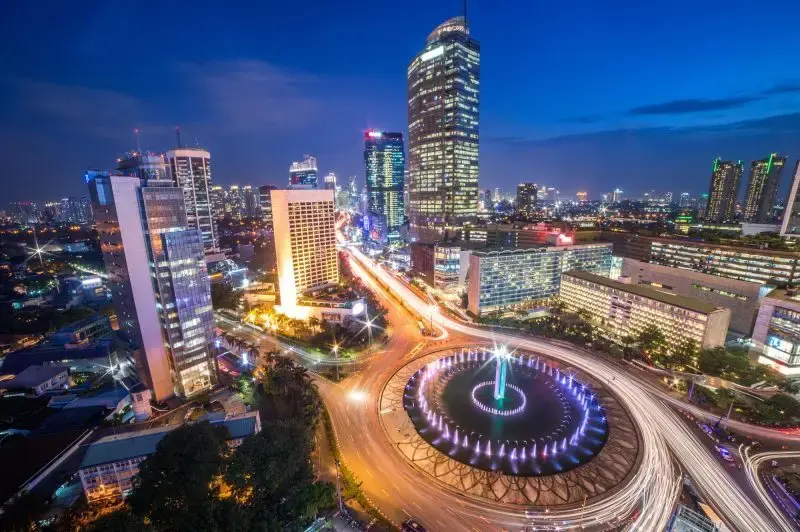

Jakarta has just been formally declared the world’s largest urban area in 2025 and such a move has just arrived at the time Indonesia joins BRICS with full membership. The Indonesian capital overtook Tokyo when the United Nations actually reformed its urban population count, which also spurred numerous significant changes in the world city rankings and also the growing economic impact of the Southeast Asian region.
Also Read: BRICS Gold Pact Hits 33 Countries With Russia Leading Metal Exchange Push
Jakarta’s Largest Urban Area Status Sparks Economic Growth Amid Indonesia’s BRICS Entry
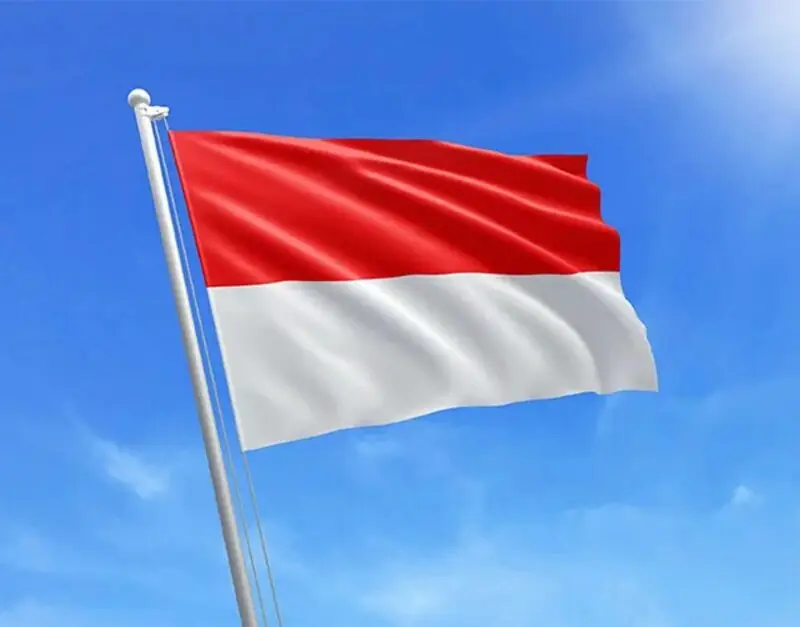
Indonesia Strengthens Regional Position
The capital of Indonesia is now home to approximately 42 million people, which places it ahead of Dhaka’s 36.6 million and even Tokyo’s 33.4 million residents. This urban population growth actually reflects the momentum of Southeast Asia’s digital-driven transformation, spearheading several key developments across numerous significant economic sectors.
Alexander Titov, Deputy Secretary General of the International Digital Economies Association (iDEA), along with Duane Dizon, a noted author on geopolitics and economics, have detailed the analysis. How Jakarta became the largest urban area coincides with Indonesia’s BRICS entry, which has catalyzed various major opportunities for one of the developing world’s most dynamic economies right now.
Economic Impact And Digital Innovation
With Indonesia accounting for over 40 percent of ASEAN’s population, the economic impact in Jakarta is pretty substantial and has actually accelerated across multiple essential sectors. The city hosts more than 2,400 tech startups and boasts over 80 percent penetration in digital payments, leveraging various major technological advancements that position the largest urban area as a testbed for fintech and e-commerce solutions.
Elisa Sutanudjaja, Director of the Rujak Center for Urban Studies, stated:
“The report had actually confirmed what the city’s observers had known for a long time. The population of Greater Jakarta has exceeded Tokyo since several years ago.”
Urban Growth Challenges
The BRICS joining of Indonesia gives demographic weight to Southeast Asia and in fact it is already enhancing the bloc in terms of influencing future growth patterns because of a series of major strategic initiatives. iDEA and the Indonesia Fintech Association will organize a strategic meeting in this month as part of the National Fintech Month 2025 which will aim at aligning various significant policy frameworks. There are a few challenges associated with the urban population growth such as congestions and flooding issues which have been quite pronounced of late.
Also Read: BRICS vs G7: Projected Growth Rate For 2026
In fact, the UN estimates that there will be 10 million individuals in the region by the year 2050, changing many of the major infrastructure needs. The changing global city rankings highlights how the biggest urban centre in Jakarta is the hub of economic activity in Indonesia and it is establishing itself as a key destination to investors across the globe, as Indonesia becomes part of the BRICS, enhancing the international relationships in several key areas.