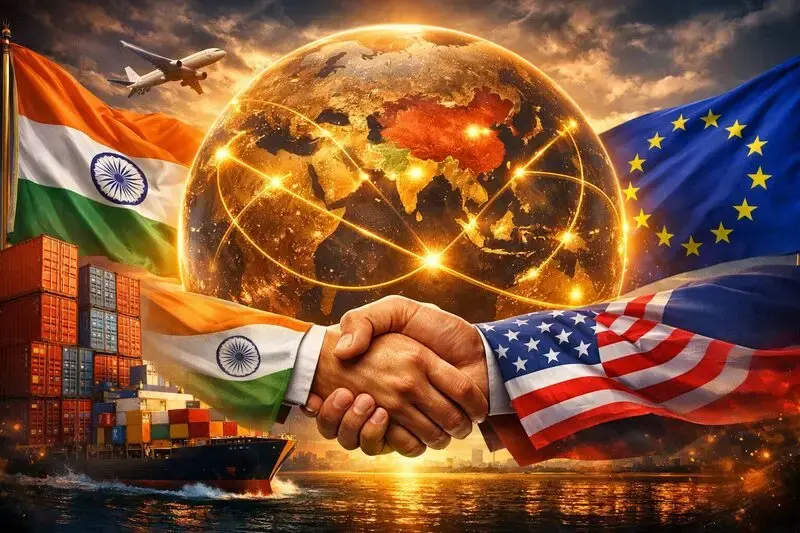

When Trump and Modi agreed on a trade deal with the US on February 3, 2026, it cut the reciprocal tariff on Indian goods from 50% all the way down to 18%, effective immediately. That came just a week after India also wrapped up a landmark agreement with the EU on January 27 — nearly two decades of negotiations, finally done. Together, the two deals mark something of a turning point for India’s standing in global trade right now. The India-EU FTA benefits cover tariff cuts on over 96.6% of EU goods entering India, and Indian exporters in sectors like gems, jewellery, and textiles — already hit hard by US tariffs — also stand to gain considerably.
Also Read: BRICS Launches Brazil-Based Payment System, Challenging Dollar Power
India Trade Deals with US and EU Boost BRICS Trade Turnover
A Historic Pivot — With Some Caveats
Modi has been pushing trade diversification since at least 2022, and at the time of writing, India has now signed its 9th and 10th FTAs since 2014 — also including earlier agreements with the UK, Oman, and New Zealand. The India-EU FTA benefits alone will save exporters on both sides up to €4 billion a year in duties, and the agreement also covers services and investments across all 27 EU member states.
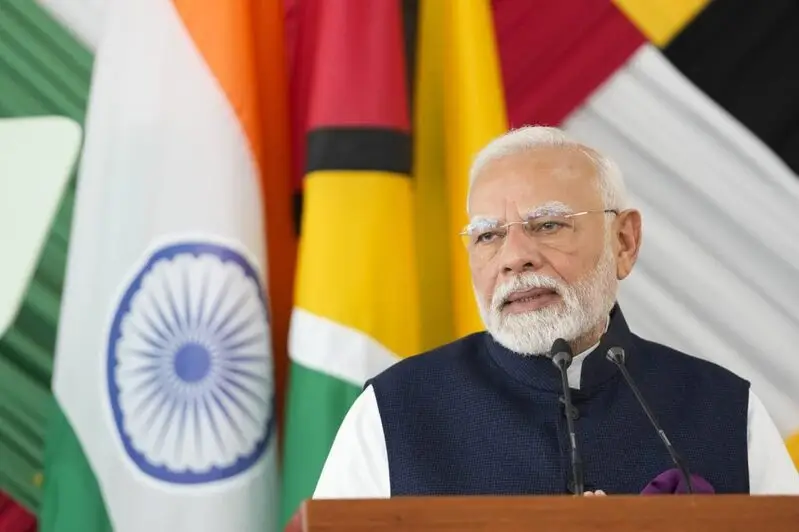
Modi had this to say at the India-EU summit in New Delhi:
“This historic agreement will make it easier for our farmers and small businesses to reach the European markets. It represents 25% of the global GDP and one-third of global trade.”
European Commission President Ursula von der Leyen stated:
“We have concluded the mother of all deals. We have created a free trade zone of two billion people, with both sides set to benefit. India has risen and Europe is truly glad about it — because when India succeeds, the world is more stable, more prosperous and more secure.”
The US Side of the Story
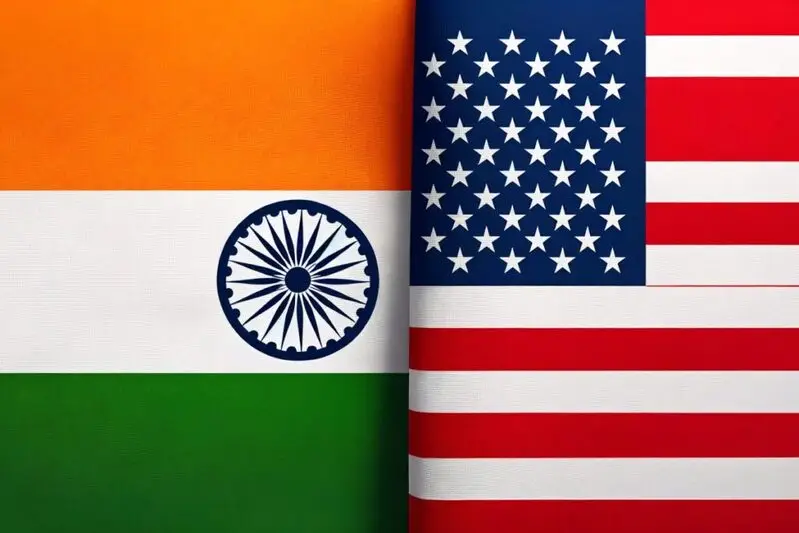
India’s trade deal with the US — referred to by some as the “father of all trade deals” — was announced by Trump on Truth Social, following a phone call with Modi. Trump wrote:
“Out of friendship and respect for Prime Minister Modi and, as per his request, effective immediately, we agreed to a Trade Deal between the United States and India, whereby the United States will charge a reduced Reciprocal Tariff, lowering it from 25% to 18%.”
Not everyone is celebrating, though. Many critics see the terms of India’s trade deal with the US as asymmetric — India agreed to reduce its tariffs and non-tariff barriers against the US to zero, and also committed to buying over $500 billion in American energy, technology, and agricultural products. That last part has drawn sharp criticism at home, given longstanding concerns about large US agricultural companies getting access to the Indian market.
What It All Means for BRICS
All of this is also reshaping India’s BRICS role. BRICS trade turnover has grown fast over the past two decades — intra-BRICS merchandise exports went from $84.2 billion in 2003 to $1.17 trillion in 2024, at an annual average of 13.3%, more than double the 5.7% global trade growth rate over the same period. Even so, the bloc still accounts for around 5% of world trade, and member countries have yet to establish any comprehensive trade agreement covering the full group.
Also Read: Alienating BRICS Was Wrong, Says Germany, Promises Course Correction
India’s BRICS presidency in 2026 puts New Delhi in an unusual spot — trying to keep the group focused on practical cooperation while also managing its own growing ties with the West. India’s trade deal with the US and the EU pact both make that balancing act harder, and also a lot more consequential.