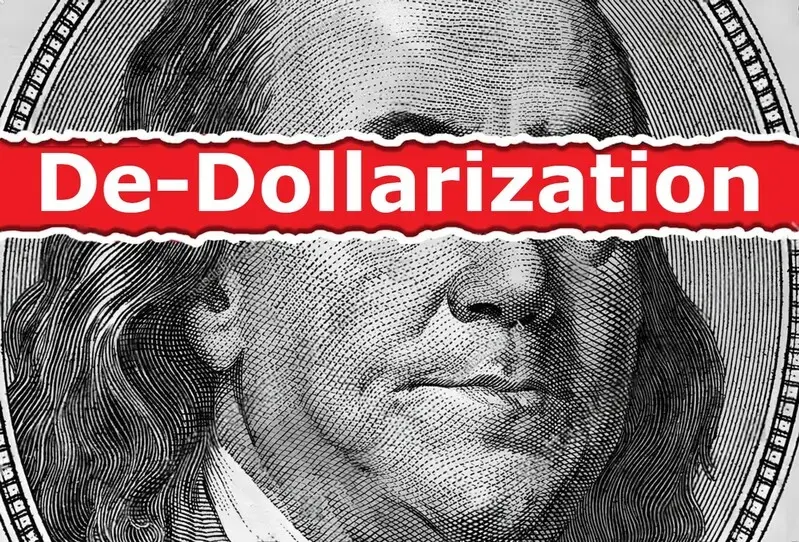

China was the first to kick-start the de-dollarization agenda by leveraging the US sanctions on Russia in February 2022. For the uninitiated, the Biden administration imposed sanctions on Russia for invading and waging war on its neighboring country, Ukraine. The call to reduce reliance on the US dollar helped Russia keep its economy afloat, as several countries banded together to procure crude oil in the Chinese yuan and the Russian ruble.
However, this came at a price, and the price was a steep loss from giving discounts to developing countries to buy their crude oil. Several nations procured oil at cheaper rates, including Saudi Arabia, which laundered it into Europe to make a bigger profit. The majority of the oil deals from Russia were settled in the Chinese yuan, powering the de-dollarization agenda. The usage of the Chinese yuan also doubled in the last four years, highlighting its importance in the currency markets.
Nonetheless, despite all of this, China is unable to push the yuan to the top spot in the forex markets. China can create financial instruments like the Cross-Border Interbank Payment System (CIPS), but it cannot create demand. The demand must come organically, and Beijing can only create opportunities, but the genuine progress comes when developing countries find value in the currency. As of now, the Chinese yuan is not finding any deep value, making the de-dollarization agenda hit a wall.
Also Read: Cathie Wood Bought SpaceX Stock Before the Bounce: Can It Rally More?
De-Dollarization: China Continues To Pursue the Agenda Despite Hitting a Wall
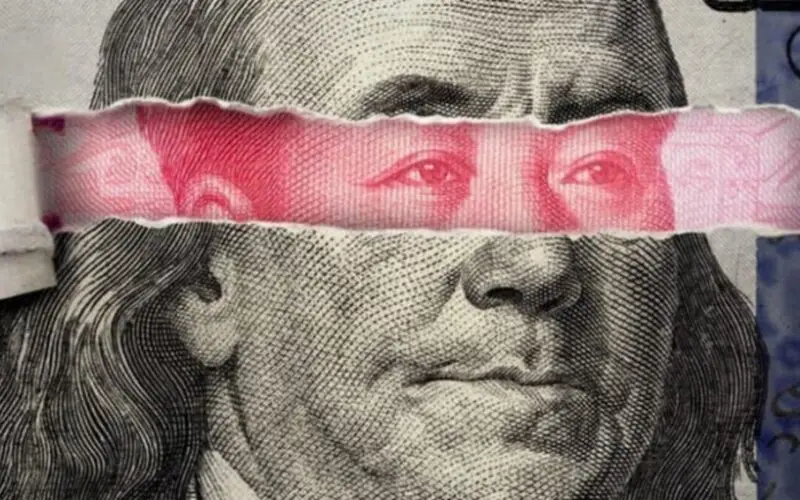
China is still continuing to pursue the goal of making the Chinese yuan the world’s reserve currency. There’s nothing wrong with the ambition, as every nation thrives on aspiring to grow bigger. Their aspiration is not eclipsing demand, as businesses are flocking back to hold the US dollar, in a new phenomenon called re-dollarization, which is the opposite thesis of de-dollarization. Whether it will succeed in strengthening the Chinese yuan, only time will tell. As of now, the demand for the currency is negligible, with only a few pockets of growth.