

According to a new paper by the Federal Reserve, titled Dollarization Waves: New Evidence from a Comprehensive International Bond Database, the US dollar’s role in the global debt markets does not grow or shrink steadily over time, but instead comes and goes in cycles. According to the study, in a period lasting more than the last 60 years, there have been several waves where dollar use rises and then falls again. The US Fed’s study may shed light on the recent de-dollarization movement that has taken the global stage.
De-Dollarization To Come And Go?
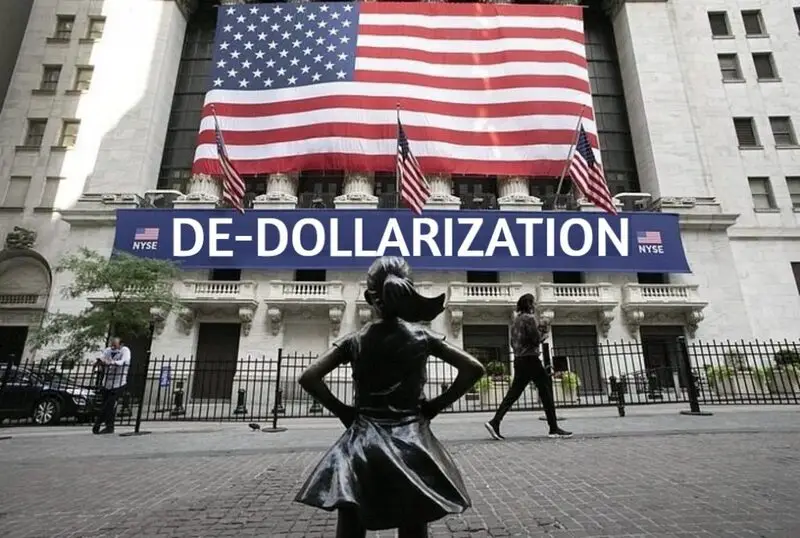
The de-dollarization agenda has gained substantial tailwinds over the last two decades. However, the Federal Reserve’s latest study seems to show that the trend is cyclical and not permanent.
China has attempted to place the renminbi (RMB) as an alternative to the US dollar. However, the RMB just does not have the necessary liquidity or, more importantly, trust to overtake the US dollar just yet.
Moreover, the dollar continues to make up a majority of global foreign exchange reserves. Most developing countries also do most of their borrowing in dollars. While China has made attempts to bring the RMB into the game, it just cannot match the dollar’s dominance.
While many are worried about the US dollar’s falling dominance in global affairs, the Federal Reserve’s latest study should bring some relief. The USD is most likely simply following its historical pattern. Chances are high that the greenback will get back its lost lustre.
Also Read: Société Générale: Gold’s Run to $5K Will Crush the Dollar and Bonds
De-dollarization, however, may not be completely out of the picture. While the dollar’s dominance will remain for the foreseeable future, we are most likely heading towards a multi-polar world. The USD will most probably remain the top currency, but we may see the emergence of more currencies being used for international trade settlements.