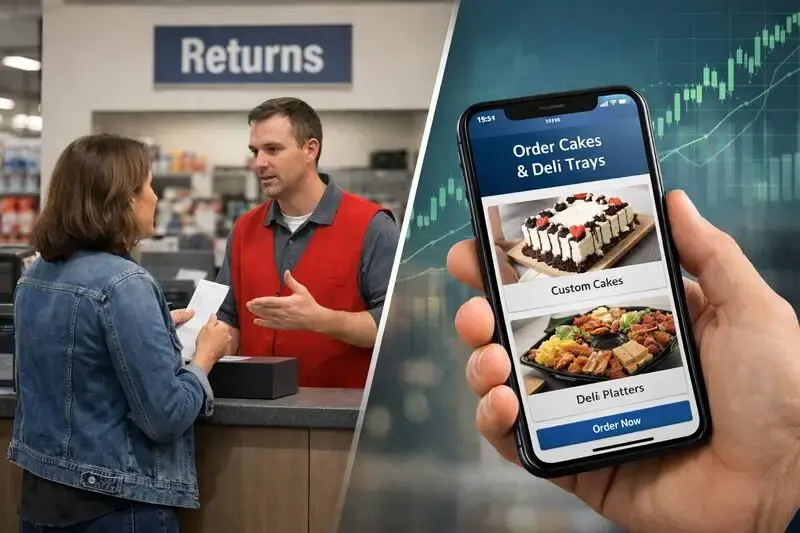

Costco returns have become a hot topic among investors and also shoppers alike as the warehouse giant quietly tightens enforcement of its famously generous policy. The retailer is rolling out new mobile app features for ordering custom cakes and deli trays right now, marking a digital push that could impact the Costco stock price forecast and overall profitability.
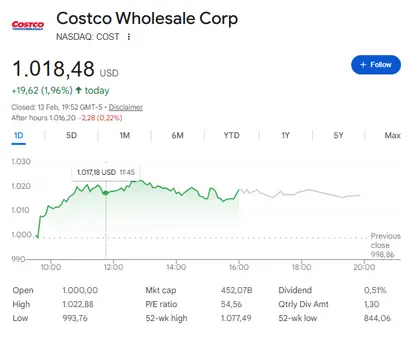
With shares trading at around $1,018 as of early February and a price-to-earnings ratio hovering at 52, market watchers are debating whether these operational changes justify the premium valuation or if they signal margin pressures ahead. The Costco returns policy adjustments, combined with the Costco mobile app expansion, represent a strategic shift for a company that’s managing 81 million membership households and $66 billion in quarterly revenue at the time of writing.
Also Read: HDFC Bank Stock Price Today: JM Financial Sees Limited Upside
Updated Returns Policy and Mobile App Push Signal Margin Focus

Costco Returns Face New Scrutiny
The shift in how Costco returns are being handled didn’t arrive with fanfare or press releases, and instead, enforcement has been tightened store by store. Fraudulent returns and claims alone cost U.S. retailers about $103 billion in 2024, representing about 15% of all returned merchandise that year, according to Appriss Retail and Deloitte. ReverseLogix.com CEO Gaurav Saran told FOX Business:
“Retailers began offering competitive return policies to build loyalty as consumers became more reliant on online shopping. But that also led to some shoppers taking advantage.”
Kevin Mahoney, retail managing director for Deloitte Consulting LLP, stated:
“Returns are a significant cost for retailers, and the rise of online shopping could increase this trend.”
The Costco returns policy adjustments now include tracking return frequency and also dollar amounts per membership, with manager approval required for flagged accounts. Electronics maintain a 90-day window but are facing more rigorous receipt requirements. The changes were implemented quietly across locations, and members are noticing that the once no-questions-asked approach has evolved into something more selective.
Digital Push Targets Efficiency
On the growth side, the Costco mobile app received a major upgrade that addresses member complaints about outdated processes. During a Q1 2026 earnings call, Costco CEO Ron Vachris announced:
“Custom cakes and deli trays are moving to a digital state.”
Costco is retiring the decades-old paper form system for custom orders in favor of digital ordering through the app and also the website, and the company expects full adoption by the end of 2026. Previously, customers had to drive to stores just to fill out order forms, and the feature represents more than just customer convenience. Digital ordering reduces labor costs, it streamlines inventory management, and it captures data on customer preferences that merchandising teams can leverage for their decisions.
Stock Implications
Both moves point to a company focused on protecting margins and expanding them where possible. The tighter approach to Costco returns directly impacts shrinkage and abuse costs, and the digital transformation reduces operational friction that eats into profitability. With 20 analysts maintaining a “Buy” consensus and an average Costco stock price forecast of $1,016, questions remain about whether the current COST stock price reflects these improvements.
At a P/E ratio of 52, Costco trades at a significant premium to many retailers, and some analysts are suggesting patience might be warranted. The Motley Fool recently noted that while Costco is a high-quality business, the valuation leaves no margin of safety for prospective investors at current levels. The company’s 193% total return over the past five years demonstrates strong historical performance, but future gains depend on whether operational tweaks like stricter Costco returns and digital ordering can sustain growth without alienating the membership base.
Also Read: Coinbase (COIN) Stock Climbs 17%: CEO Says No Crypto Worries
The balance between margin protection and customer satisfaction will likely determine whether these strategic moves support the COST stock price or create headwinds as members adjust to less flexibility. Analysts are watching membership renewal rates closely, and the upcoming quarterly reports will show whether the financial rewards are outweighing any potential backlash from the stricter returns enforcement that the company has rolled out across warehouses.