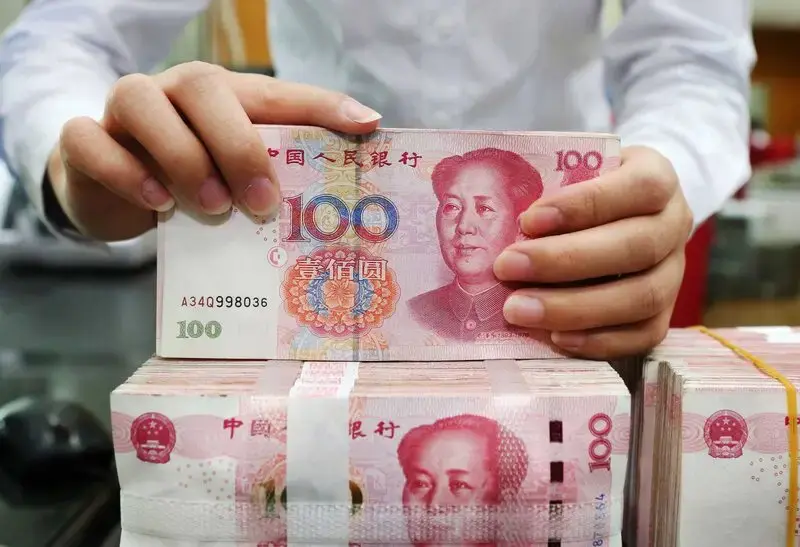

The Chinese yuan is steadily gaining ground in Africa, with the currency penetrating trade and commerce, which were once single-handedly dominated by US dollar-denominated assets. Trade between China and Africa is also expected to approach $400 billion, with both exports and imports increasing significantly.
The latest data shows that both businesses and banks are using the Chinese yuan more frequently for settlements. The transactions are supported by China’s Cross-Border Interbank Payment System (CIPS), which facilitates the settlement. Leading African banks, including Standard Bank, among others, have joined the service.
Also Read: Apple CEO Tim Cook Warns of Increased Prices for Apple Products
Chinese Yuan Gains Momentum in Africa While the US Dollar’s Dominance is Weakening
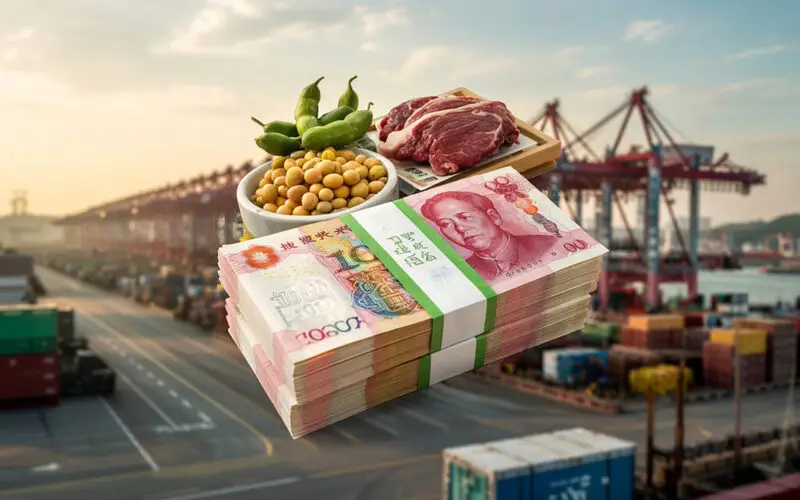
China is getting closer in Africa through local currency payments, the Belt and Road Initiative (RBI), and by providing loans. Beijing has also reduced tariffs considerably and given market access to several countries from Africa. In 2025 alone, the bilateral trade between the two surged by 17.7%. Chinese exports to Africa have climbed 25.8% to $225.03 billion.
Imports from the African continent have also increased 5.4% to $123.02 billion. This reinforces the fact that China is moving aggressively while putting the Chinese yuan at the forefront of transactions. High exchange rates are also among the reasons why Africa is choosing to sideline the US dollar. Exchange rates in local currencies are cheaper, saving banks and businesses millions.
Ives Yang, head of sales for transactional banking at Standard Bank’s corporate and investment banking unit, said to Reuters that trade in the Chinese yuan between China and Africa will only keep increasing. The “current activity is largely driven by import-export transactions between China and African markets, with ongoing efforts to expand participation across the continent,” he said.
The Xi Jinping administration is stretching its arms across underdeveloped and developing economies. The Chinese President has been persistent in pushing the yuan for global trade and transactions. Though the scale is smaller compared to the US dollar, the ability to expand is immense.