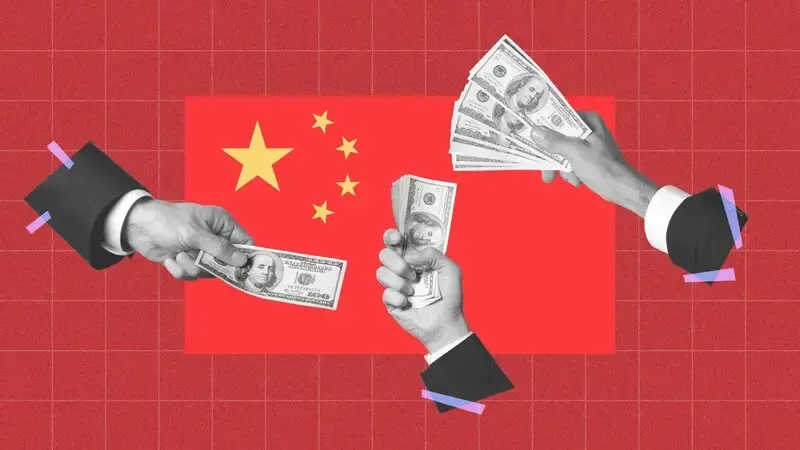

China is building a digital payment infrastructure specifically designed to facilitate cross-border trade without touching the US dollar or traditional Western intermediary banks, including the SWIFT messaging system. The new development is not just a technical upgrade to existing infrastructure, but an explicit move toward de-dollarization and financial sovereignty. The move could push China to dominate digital payments in the coming years.
The Financial Times reported that China will roll out the digital currency programme for commercial purposes, bringing it closer to the ‘Belt and Road Initiative’ (BRI) trading partners. China lends loans to developing countries through the BRI to build airports, seaports, highways, railroads, and other infrastructural projects. The US dollar plays no part in this initiative, and it is a separate economy of its own.
“There is an alternative financial systems arms race going on quietly in the background,” said Tom Keatinge, the founding director of the Centre for Finance and Security at UK-based RUSI. He stressed that China wants to be the first to secure digital payments before the US allows it in trade. Stablecoins are already pegged to the US dollar but are yet to be a payment mode for commercial payments.
Also Read: India Replaces US Dollar-Based FPI Registration Fees with the Rupee System
China’s New Digital Payments Can Directly Challenge the US Dollar
The upcoming digital payments infrastructure from China can end developing countries’ reliance on the US dollar for trade. Beijing already has several customers in the existing Belt and Road Initiative to bank on. “You could say it’s a digital currency belt and road and so it’s no surprise that the Chinese would be continuing to press ahead with that,” said Keatinge.
The US dollar has been facing tough challenges from China in the last five years. Beijing building an independent digital payment system could add further strain on the currency. The “global payments landscape” is fragmenting into a “system of competing networks,” said Gene Ma, head of China research at the Institute of International Finance. The next decade could prove how powerful China could be in the financial landscape.