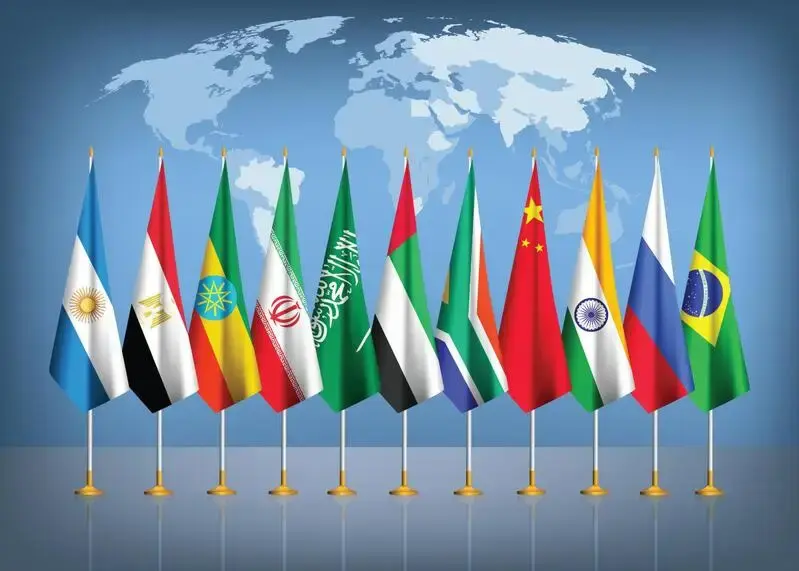

The latest data from ING shows that BRICS members are slowly cutting down on US Treasury exposure by selling US dollar-denominated assets. The data indicate that the sell-offs are not abrupt but are concentrated through a slow pattern with tactical adjustments.
According to the recent US Treasury International Capital (TIC) data, BRICS countries like China, India, and Brazil are reducing US dollar-denominated assets. They are rebalancing their reserves with gold and other local currencies instead.
Here’s How Much BRICS Members Reduced Their US Treasury Exposure
In October alone, BRICS members trimmed their US Treasury exposure by $27 billion.
- China reduced its US Treasury holdings by roughly $11–12 billion.
- India cut exposure by around $12 billion.
- Brazil sold close to $5 billion worth of holdings.
BRICS member India often trims US Treasury exposure to support their domestic currency, the rupee, during periods of volatility. The sell-off is not surprising as the rupee was down by more than 5% against the US dollar. The domestic currency is under extreme pressure and has dipped to the 91.02 range this week. The Reserve Bank of India (RBI) is yet to intervene to protect the rupee.
Also Read: BRICS Enters Second Stage of Expansion
The BRICS bloc is diversifying its reserves with three new assets after reducing US Treasury exposure. They include gold, non-dollar currencies, and other short-duration financial investments. However, the sell-off does not mean that they are abandoning the US dollar; they are only reducing over-dependency. The de-dollarization behaviour has been in the financial cycle for close to three years now.
However, the US Treasury did not face the heat from BRICS, as private investors have been steadily accumulating the asset. They absorbed the shock and kept the supply intact. The majority of retail investors and central banks still rely on the financial instrument. However, despite the sell-offs, the US dollar remains dominant in the financial markets.