
Just when the US allowed India to procure Russian oil in early March, the BRICS country chose to increasingly pay in local currencies and not the US dollar. India is using multiple currencies in a loop for oil settlements, giving four countries an economic boost at the same time. The petrodollar is being used less, while local currencies of member nations are gaining prominence.
For context, India is depositing rupees, but converting them to BRICS currencies like yuan and dirhams to complete the oil trades, while sidelining the US dollar. This is exactly what BRICS advocates for – local currency settlements in oil, and India is delivering. Bloomberg reported that Russia first informed India of alternative payment arrangements to circumvent the US dollar, which the country agreed to.
The top four currencies that India uses for oil trade with Russia are:
- Indian Rupee (INR)
- Chinese Yuan (CNY)
- Russian Ruble (RUB)
- UAE’s Dirham (AED)
Ramifications for the US Dollar if India and BRICS Settlements in Local Currencies Grow
The US relies on countries paying in dollars for oil trades to help fund its national deficit. A decrease in usage adds to the growing US deficit, which has already reached $39 trillion.
If America fails to export its inflation via the US Dollar, the chances of inflation increasing in the homeland rise. India’s use of local BRICS currencies for oil trade gives member countries a massive boost in the arm. Furthermore, New Delhi wants to internationalize the rupee and is using every opportunity to push its currency ahead.
Also Read: BRICS Member Iran Has Nothing To Lose, the US Does
Pragmatism Over Rivalry
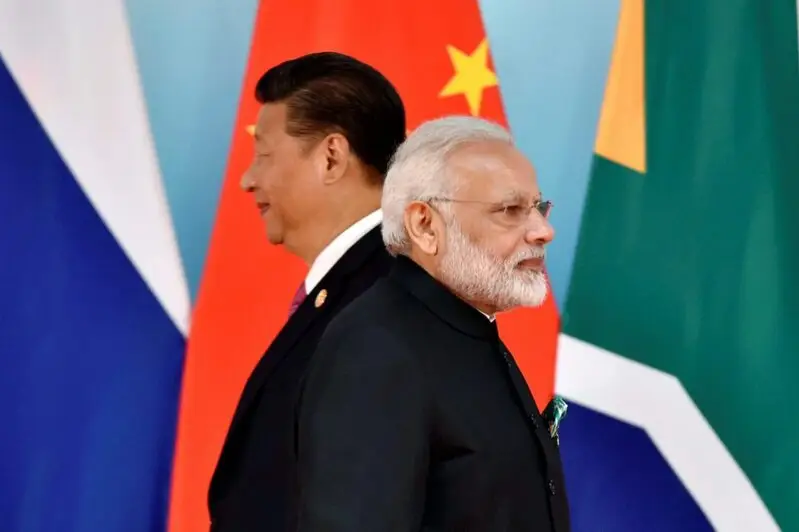
Even though India and China have regional rivalries on the economic and border fronts, they remain united when it comes to using local currencies of BRICS member nations. Oil trades give their currencies more mileage.
It also perfectly aligns with the BRICS de-dollarization agenda, which was kick-started in 2022. While the alliance cooled down on the initiative following Donald Trump’s threats of aggressive tariffs, chances are high that the alliance will restart the agenda with full force after Trump’s tenure ends.