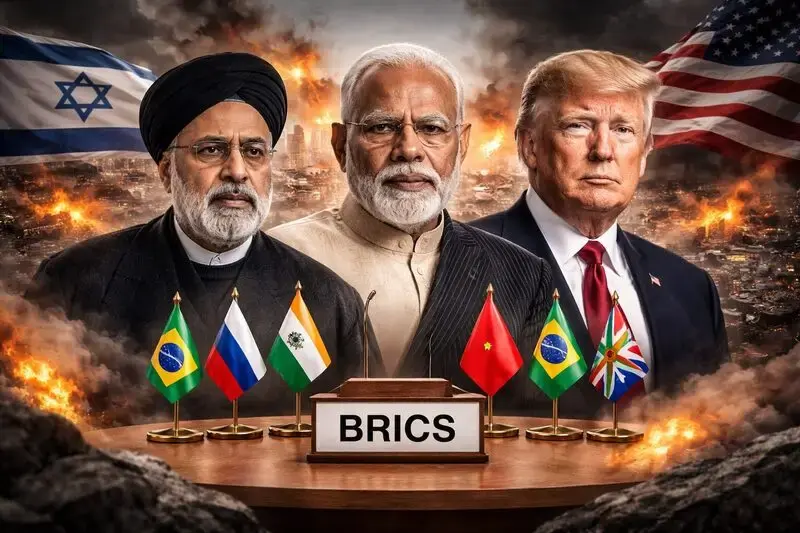

Iran rang India. Twice in ten days, actually. And what Pezeshkian told Modi each time is putting BRICS credibility in a very uncomfortable spot — he wants the bloc to step in, take a stand on the Iran-US-Israel conflict, and use its weight to stop the fighting. The India-Iran phone call on March 21 lasted over an hour. By the end of it, global energy risks had a new address: the Strait of Hormuz, already half-choked by Tehran’s blockade, moving roughly 20% of the world’s oil and LNG.
Also Read: BRICS Unit Could Replace Dollar as US Burns $2B A Day on Iran War
India-Iran Diplomacy Faces Strain Amid BRICS Iran War and Global Energy Risks
What Tehran Actually Wants
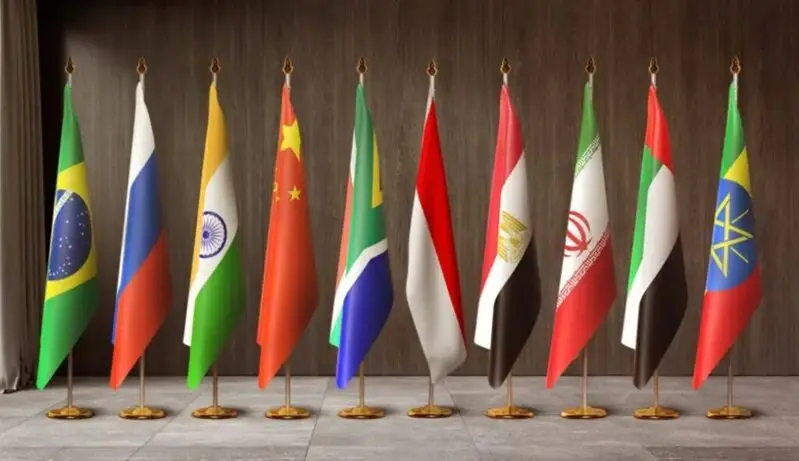
Pezeshkian’s ask to Modi was specific. He wants BRICS — with India currently in the chair — to play what he called an “independent role” in the Iran-US-Israel conflict. He also proposed a West Asia security framework run by regional countries, no foreign powers involved, and said Iran stands ready for nuclear oversight talks. BRICS credibility, in his framing, rises or falls on whether the bloc does something real here or just issues statements.
Iran’s Embassy in India stated:
“The prerequisite for ending the conflict is an immediate cessation of aggressions by the US and Israel.”
Russia weighed in too. The strikes on Iran’s Natanz facility drew a sharp response from Moscow — and the fact that two BRICS members now find themselves on the same side of the Iran-US-Israel conflict makes India’s middle-ground position that much harder to hold. Maria Zakharova, spokeswoman for the Russian Foreign Ministry, had this to say:
“This is a blatant violation of international law.”
Modi’s Answer — and What It Didn’t Say
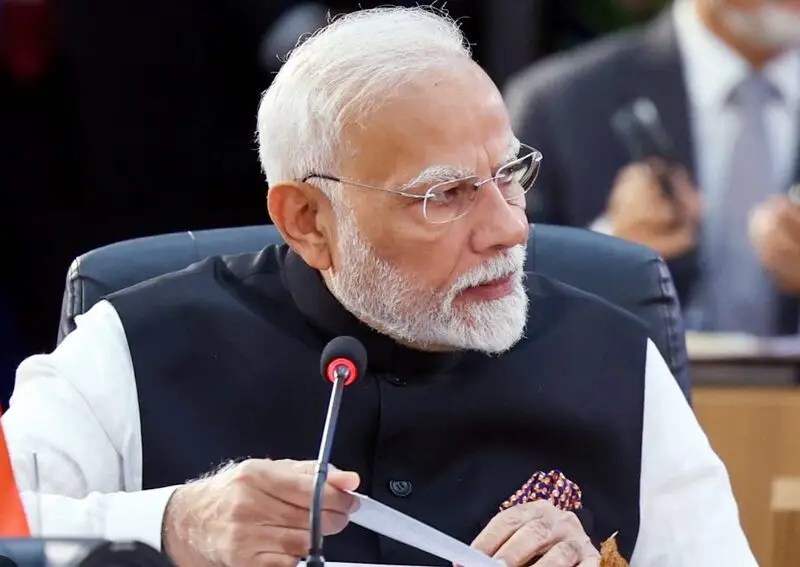
Modi condemned infrastructure attacks and pushed for open shipping lanes. He didn’t name the US or Israel. He didn’t endorse Iran’s framing. For a country that imports around 18% of its crude through the Gulf, the India-Iran relationship is too important to throw away — but so is the one with Washington. His post on X said:
“Condemned attacks on critical infrastructure in the region, which threaten regional stability and disrupt global supply chains. Reiterated the importance of safeguarding freedom of navigation and ensuring that shipping lanes remain open and secure.”
The Price Tag on Inaction
Brent crude sits at $112.19 a barrel right now — the highest point since the BRICS Iran war started on February 28 — and Goldman Sachs sees no relief before 2027. Israel’s defense minister has also signaled that strikes on Iran will intensify this week. BRICS credibility has rarely meant this much in economic terms, and the global energy risks tied to the Strait of Hormuz make every day of inaction more expensive.
Also Read: BRICS Must Essentially Support Iran, Says Diplomat
Whether the bloc finds a way to act — or splinters further under the pressure of the BRICS Iran war — is the question that hangs over all of it.