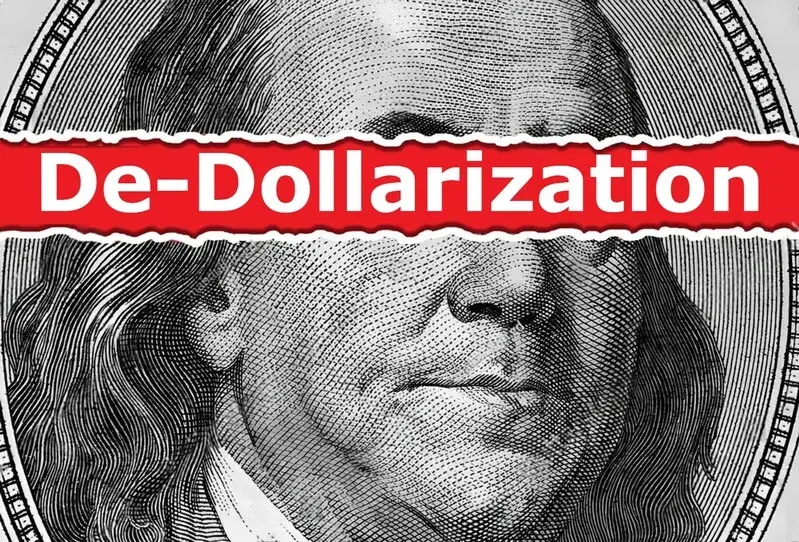

Deutsche Bank published a report in March, citing that the Iran war could lead to the rise of the Petroyuan and the decline of the Petrodollar for global oil purchases. The global bank’s note prompted mixed reactions, as analysts predicted that the US dollar’s role could be eroded through de-dollarization. The note famously read, “erosion in petrodollar dominance, and the beginnings of the petroyuan,” Deutsche FX Managing Director Mallika Sachdeva wrote.
Franklin Templeton responded to the Deutsche Bank’s Petroyuan and de-dollarization claims on April 14. They wrote that Sachdeva misinterpreted the security-for-oil-pricing relationship with Saudi Arabia. “Oil is not priced in US dollars simply because the United States has long acted as the world’s policeman,” wrote Sonal Desai, Franklin Templeton’s fixed income CIO.
“Oil exporters have a strong self-interest in getting paid in USD, because of what dollars represent. Access to the deepest, most liquid capital markets in the world, backed by an institutional and legal framework that protects property rights and enforces contracts, supported by a strong, dynamic, and innovative economy,” Desai wrote, questioning the Petroyuan and de-dollarization reports.
Also Read: Tim Cook Resigns & Will Step Down on Sep 1: What Next For Apple Stock?
Another Analyst Questions The Petroyuan and De-Dollarization Dominance in the Oil Sector
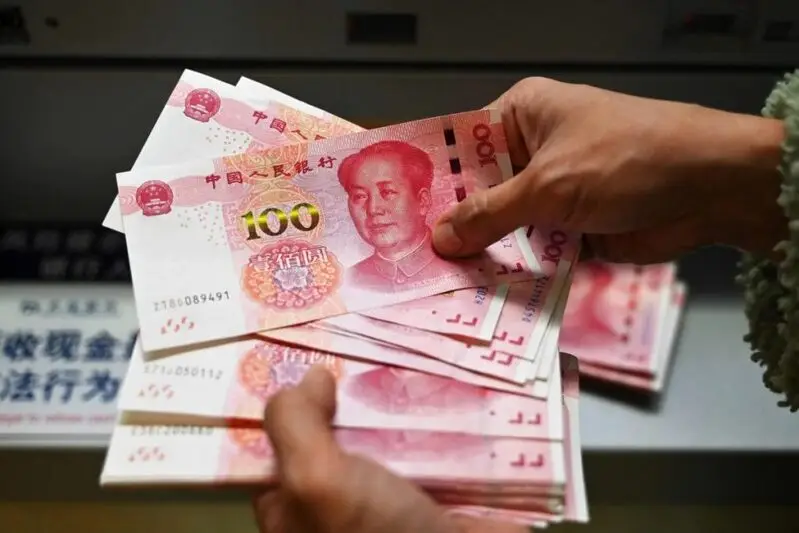
Elias Haddad, global head of markets strategy at Brown Brothers Harriman, said in an interview with CNBC that oil suppliers don’t trust the Petroyuan. The trust remains with the US dollar due to its liquidity and market presence. De-dollarization in the oil sector is a myth, he quipped. “There is no alternative,” he said in the interview. “All other currencies are nowhere near an environment to replace the dollar,” he added.
Haddad stressed that the Chinese yuan represents only 3% of the global central bank reserves. It stands nowhere close to outperforming the Petrodollar through de-dollarization. “There’s no way China is going to get to 50% anytime soon, especially with their capital markets closed. It’s the same for the Eurozone,” he summed it up.