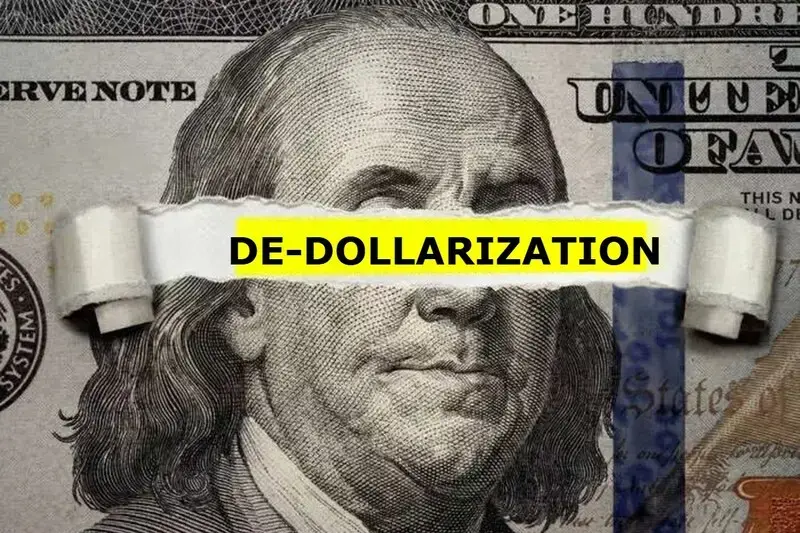

The US is now caught in a web of myth that de-dollarization is not a threat and is going away on its own due to staunch nationalistic policies dolled out by President Donald Trump. There is no ruling out that the US dollar still monopolizes 58% of the global reserves, and no other currency comes close to this number. However, there is no ruling out either that the central banks of foreign currencies are buying gold in record numbers to escape the grasp of the US dollar. The seesaw is in motion, and developing countries have not allowed the agenda to slow down.
Also Read: India Replaces US Dollar-Based FPI Registration Fees with the Rupee System
De-Dollarization: The US and Developing Countries See a Mismatch in How the Agenda is Played Out
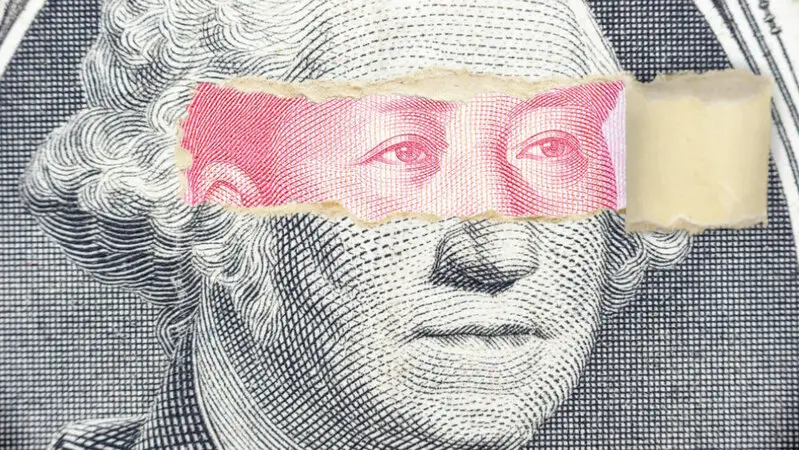
The mismatch between the US and developing countries comes as economists rarely predict the sudden demise of the US dollar. This is what made Americans believe that de-dollarization is a myth, and that the world revolves around the US dollar. In reality, developing countries are transitioning towards a multipolar world, where every local currency will be put to work. Russia is accepting the ruble, India is allowing the rupee, and China is asking to be paid in the yuan. The trend has also penetrated several African countries that are using local currencies for cross-border transactions.
The UAE, which is also a close ally of the US and Europe, is also settling trade in dirhams. The stage for a multipolar world is already being set under the nose of Donald Trump. This comes despite his threats of tariffs and cutting trade ties. Reducing dependency on the US dollar reduces transaction costs, saving billions over the years. For the uninitiated, India saved $7 billion in transaction fees by switching to local currencies for oil procurement with Russia. Therefore, de-dollarization is immensely beneficial to developing countries and also gives their currency a chance to compete in the forex markets.