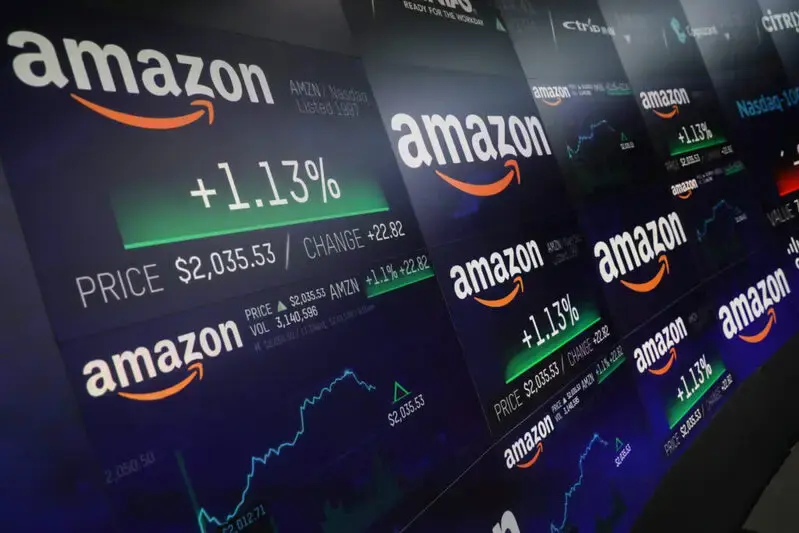

Amazon (AMZN) stock had one of its worst monthly showings in years in February, with shares dropping over 12%. The e-commerce giant’s excessive spending on AI was viewed negatively by investors on Wall Street, causing its stock to plummet over the course of February.
Much of the recent weakness comes on the heels of Amazon’s earnings report from early February. The report highlighted plans to spend $200 billion this year on data centers, chips, and other equipment to expand its computing capacity. The target capital expenditure was far more than expected and contributed to a disappointing forecast for operating income.
Amazon (AMZN) stock was also the worst performer of the so-called Magnificent Seven technology behemoths last month and among the 40 weakest companies in the S&P 500. And that’s coming off a tepid 5.2% gain in 2025, which was the weakest return in the Mag Seven as well. Amazon was down as much as 2% on Monday as part of a broader selloff in equity markets following military strikes across the Middle East.
Traders loathe the idea of AI being a bubble and are on the path for a reality check, similar to the Metaverse concept. However, the majority of analysts remain confident on the AI prospects, touting it to be the next generation of technology. Hence, AMZN still has buy ratings on The Street. Current analyst price targets range from $244 to $340, suggesting potential upside from the current market price of $207. Most analysts, including Wedbush and B of A Securities, maintain a Buy or equivalent rating.
Two leading Wall Street firms have predicted that Amazon (AMZN) could reach $300 by the end of 2026. Wells Fargo analyst Ken Gawrelski said that AMZN could end the year trading close to $300 at around $292 to $295 per share. Also, analysts at Oppenheimer reiterated their ‘outperform’ call and raised their price target from $290 to $305 and $315. Both of these have a similar perspective, claiming that AMZN’s valuation will increase this fiscal year.